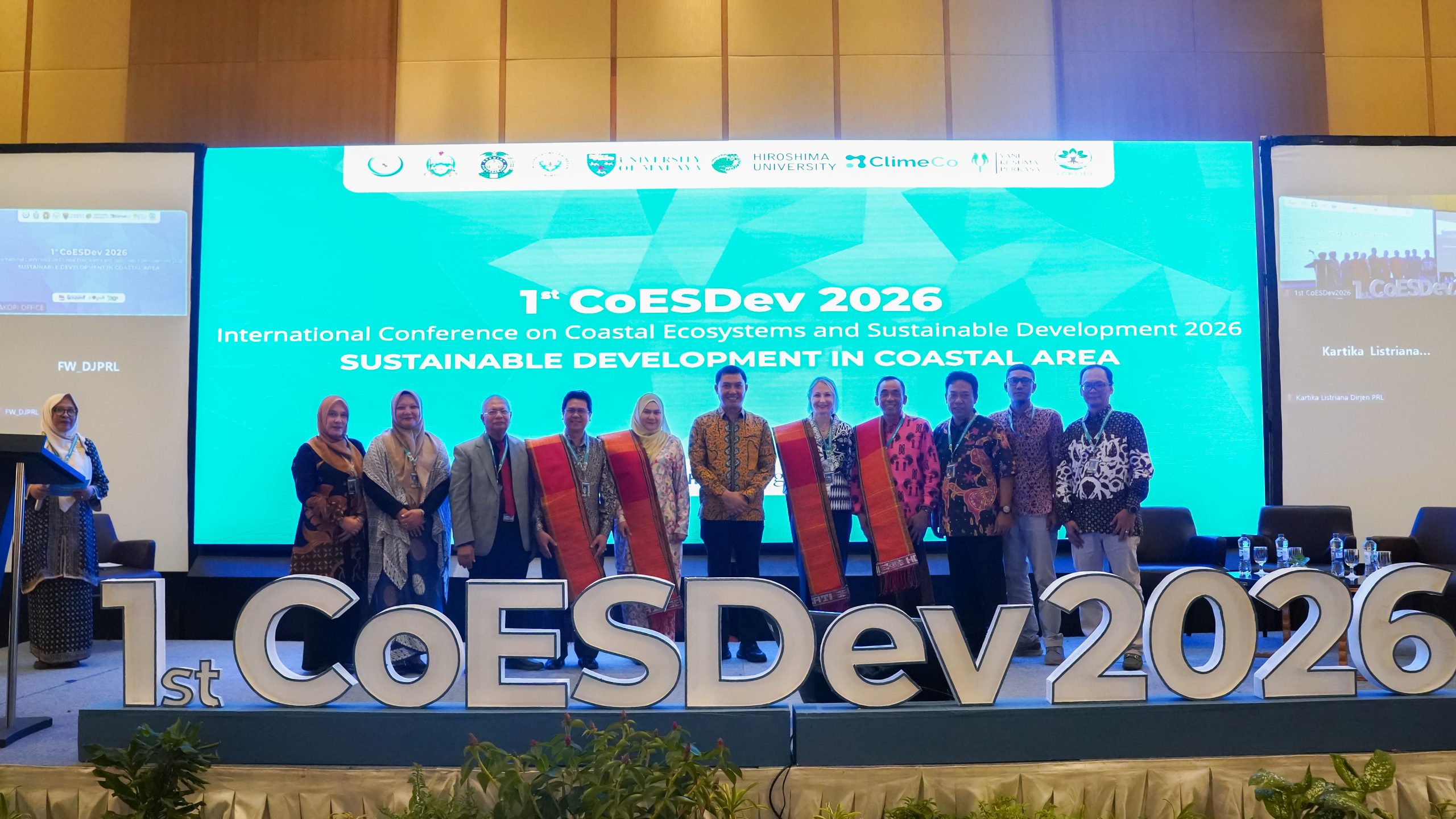
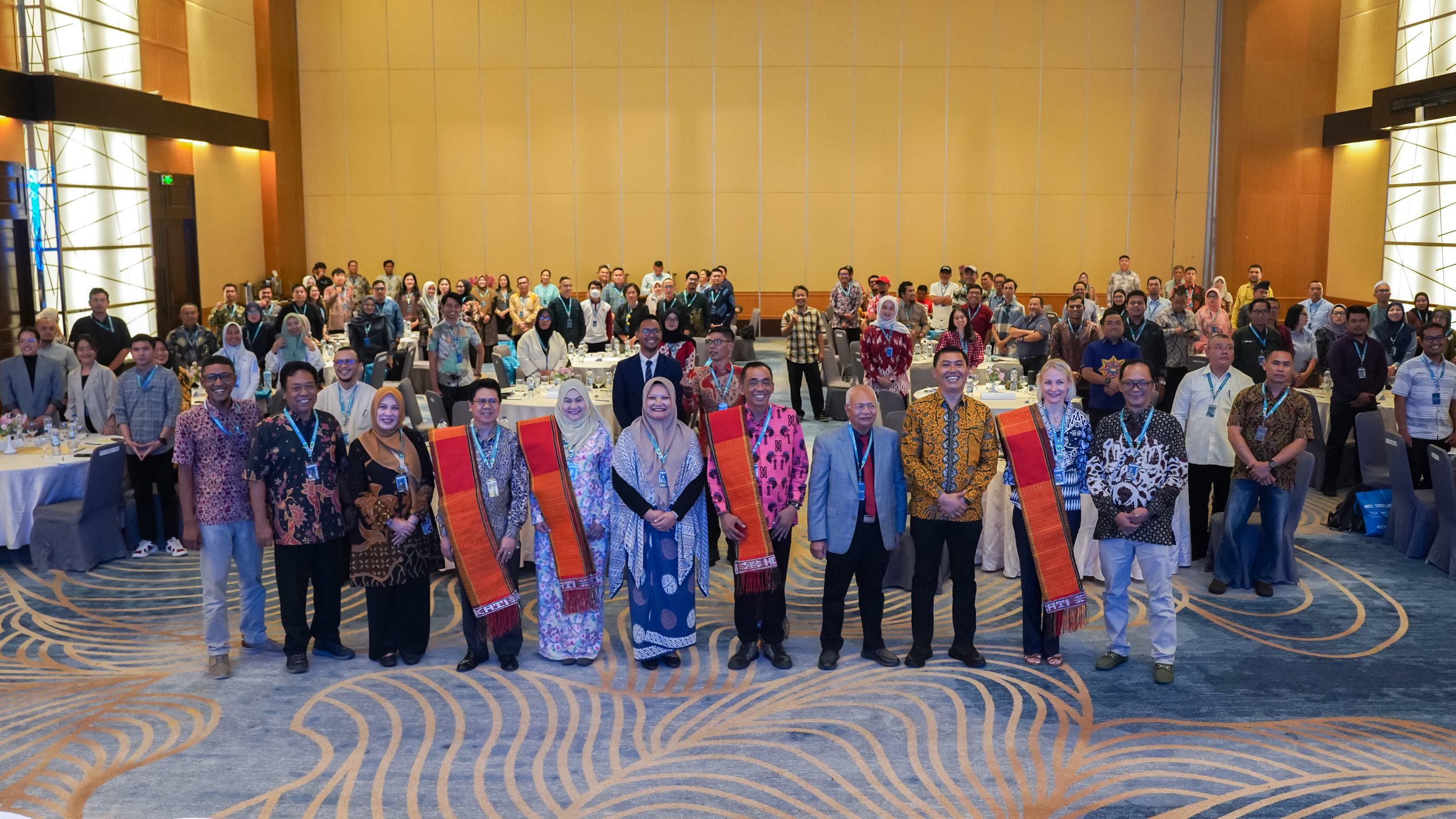
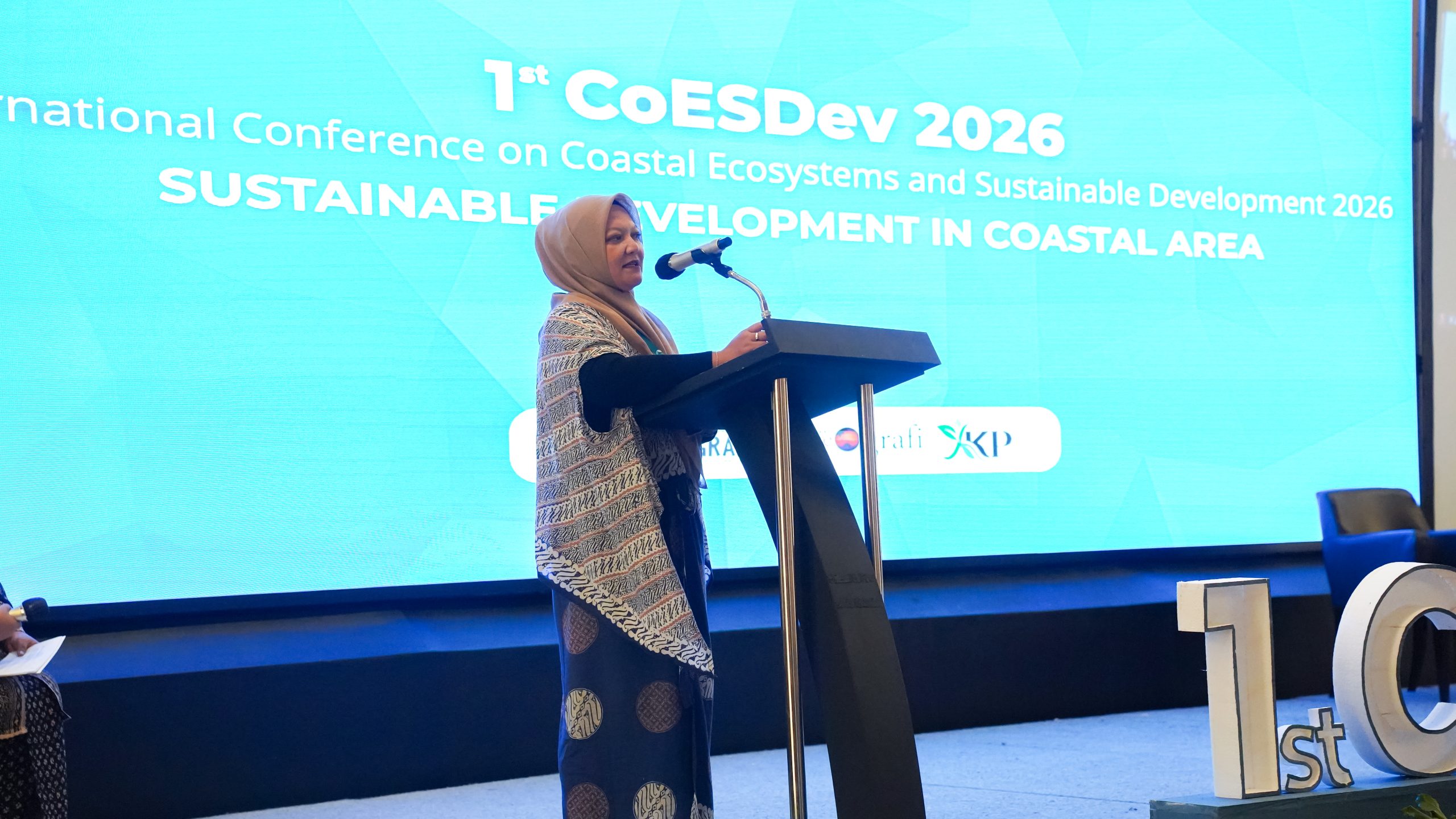
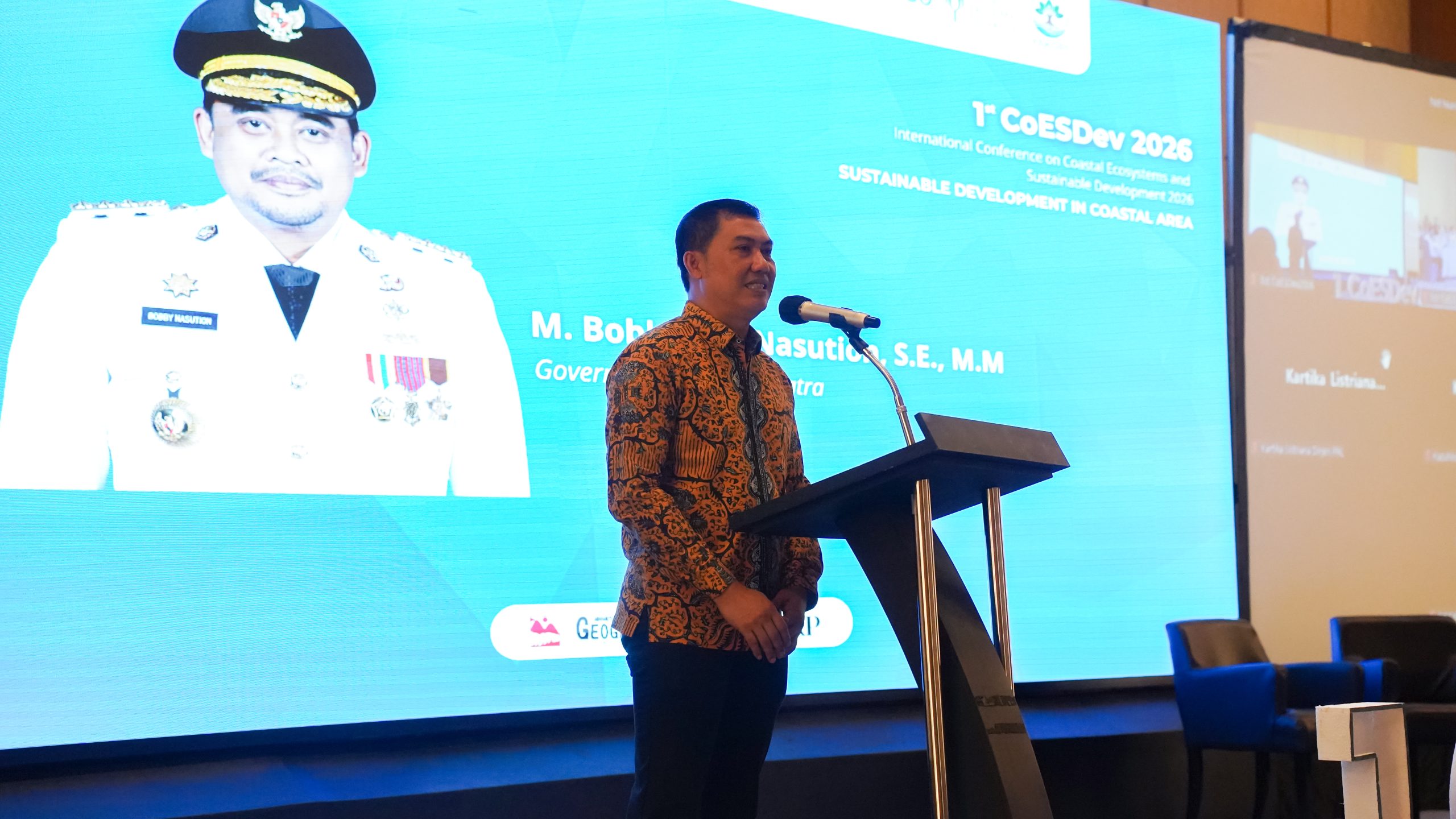
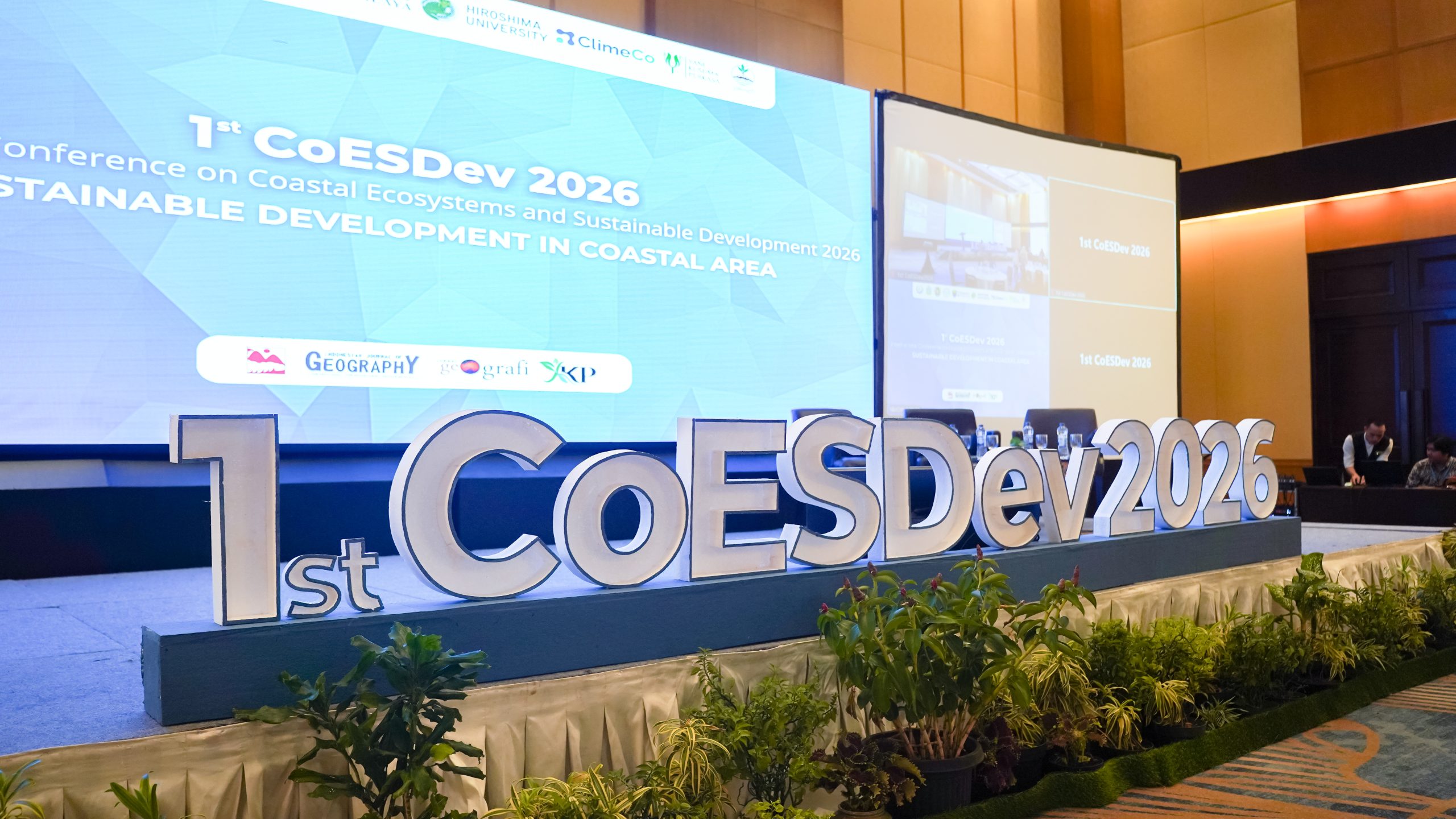
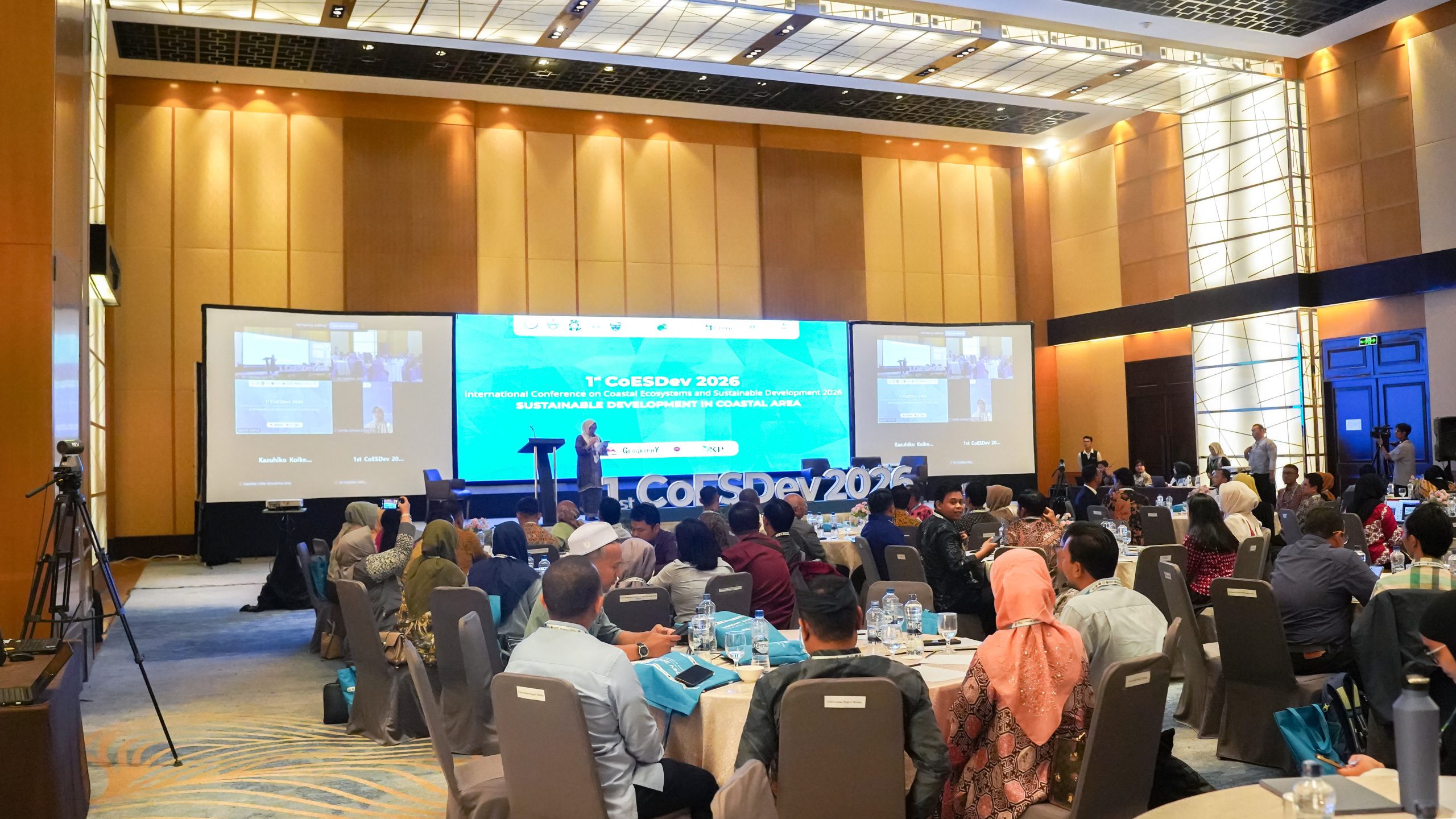
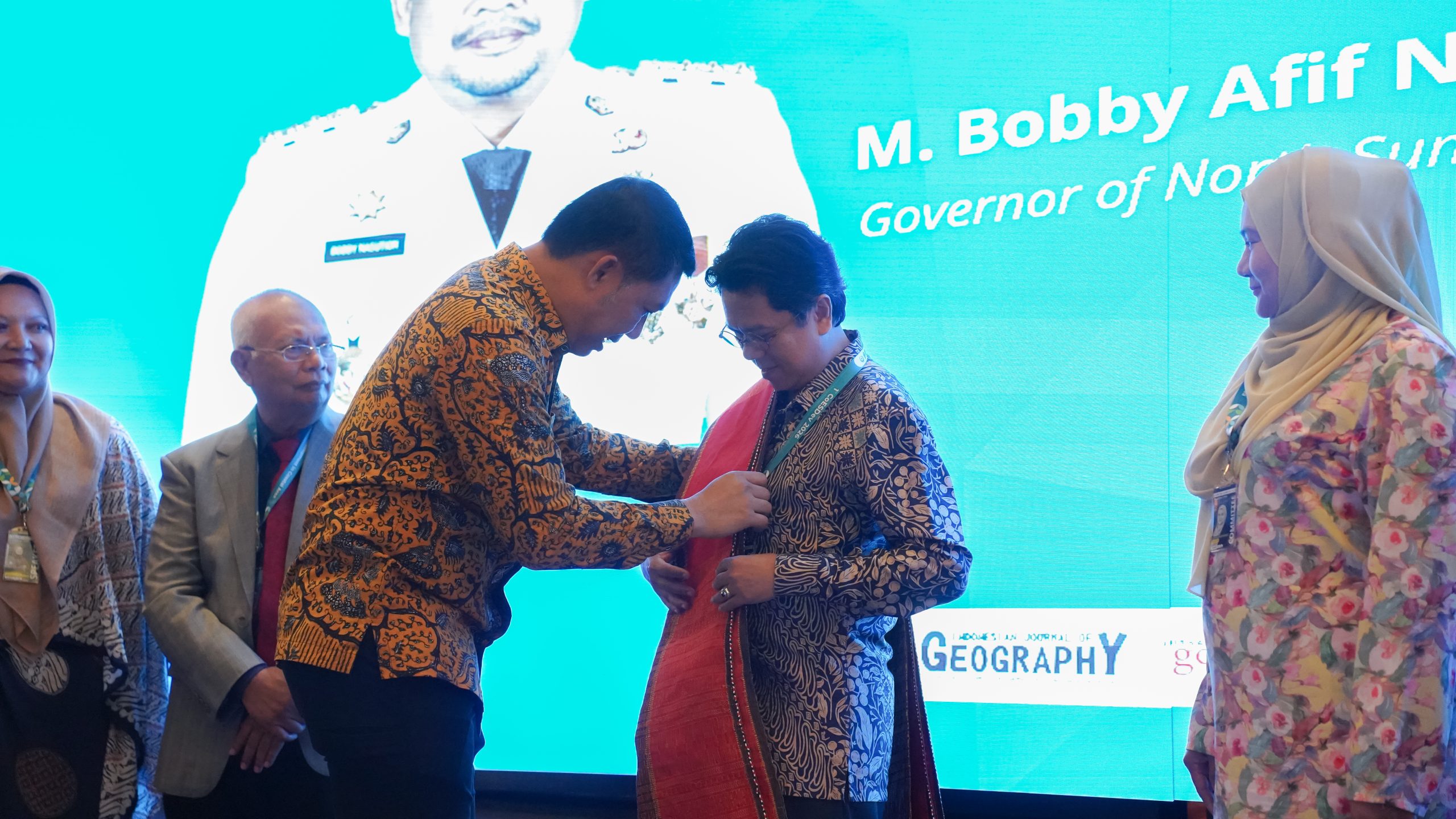
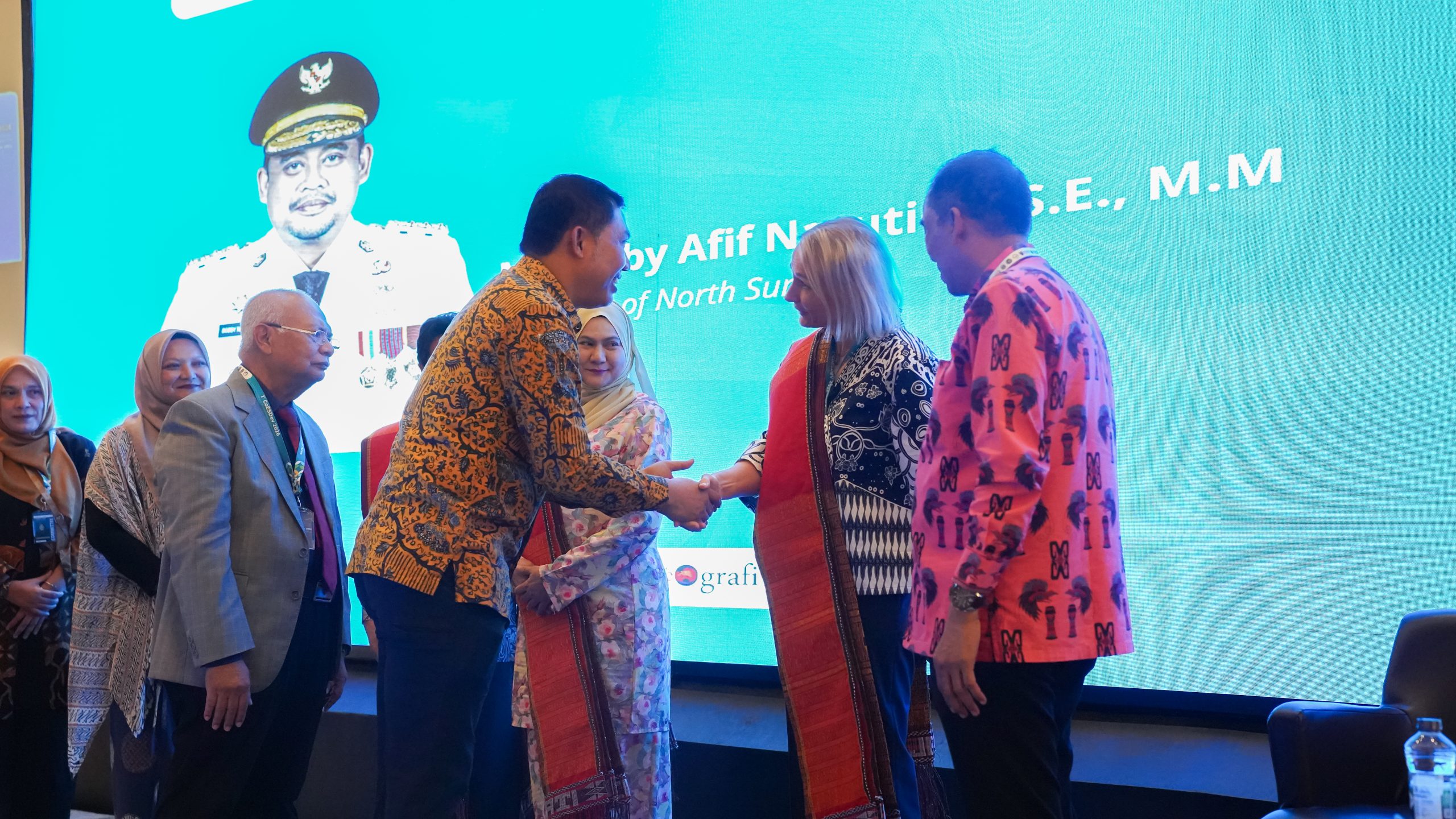
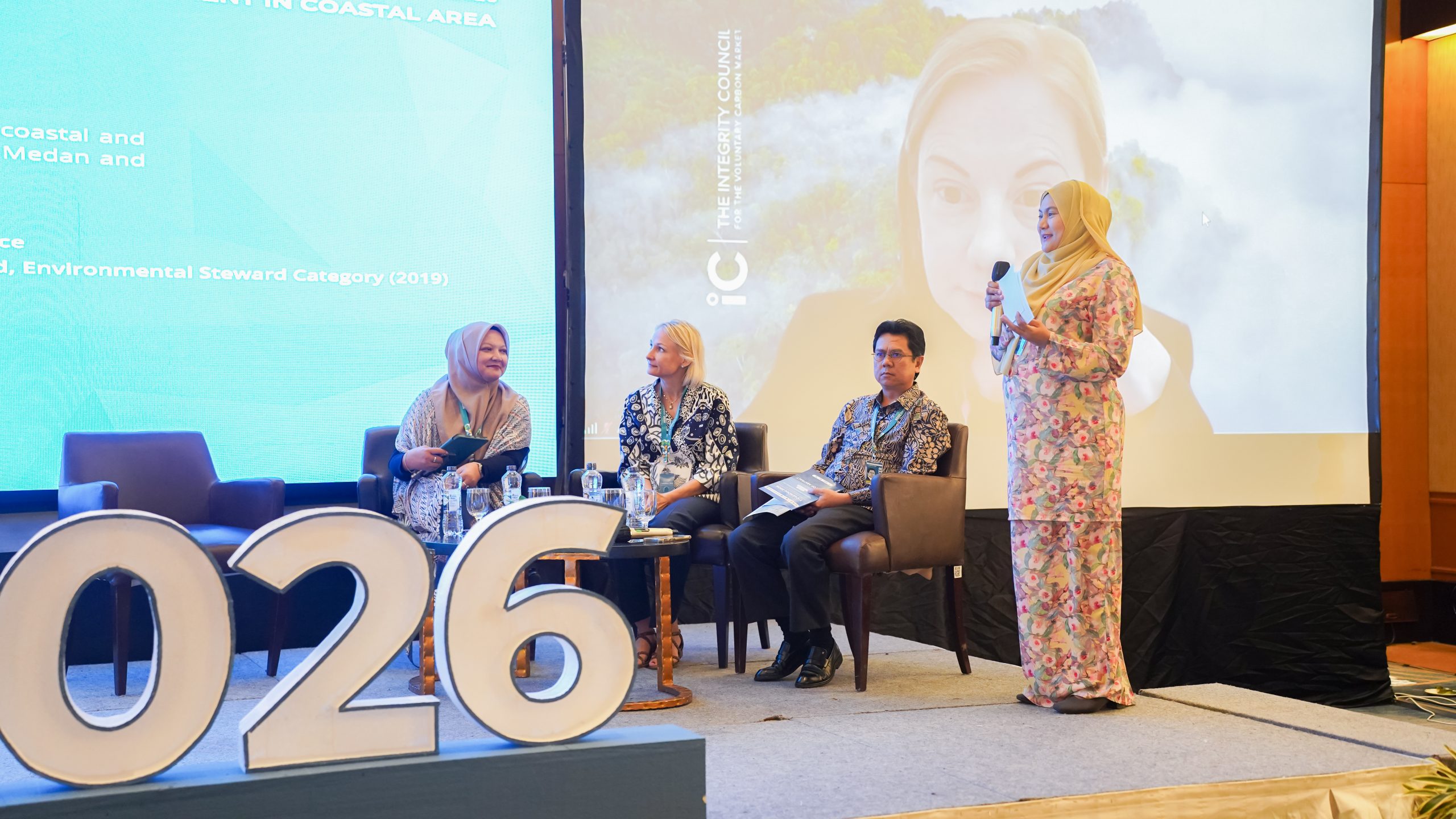
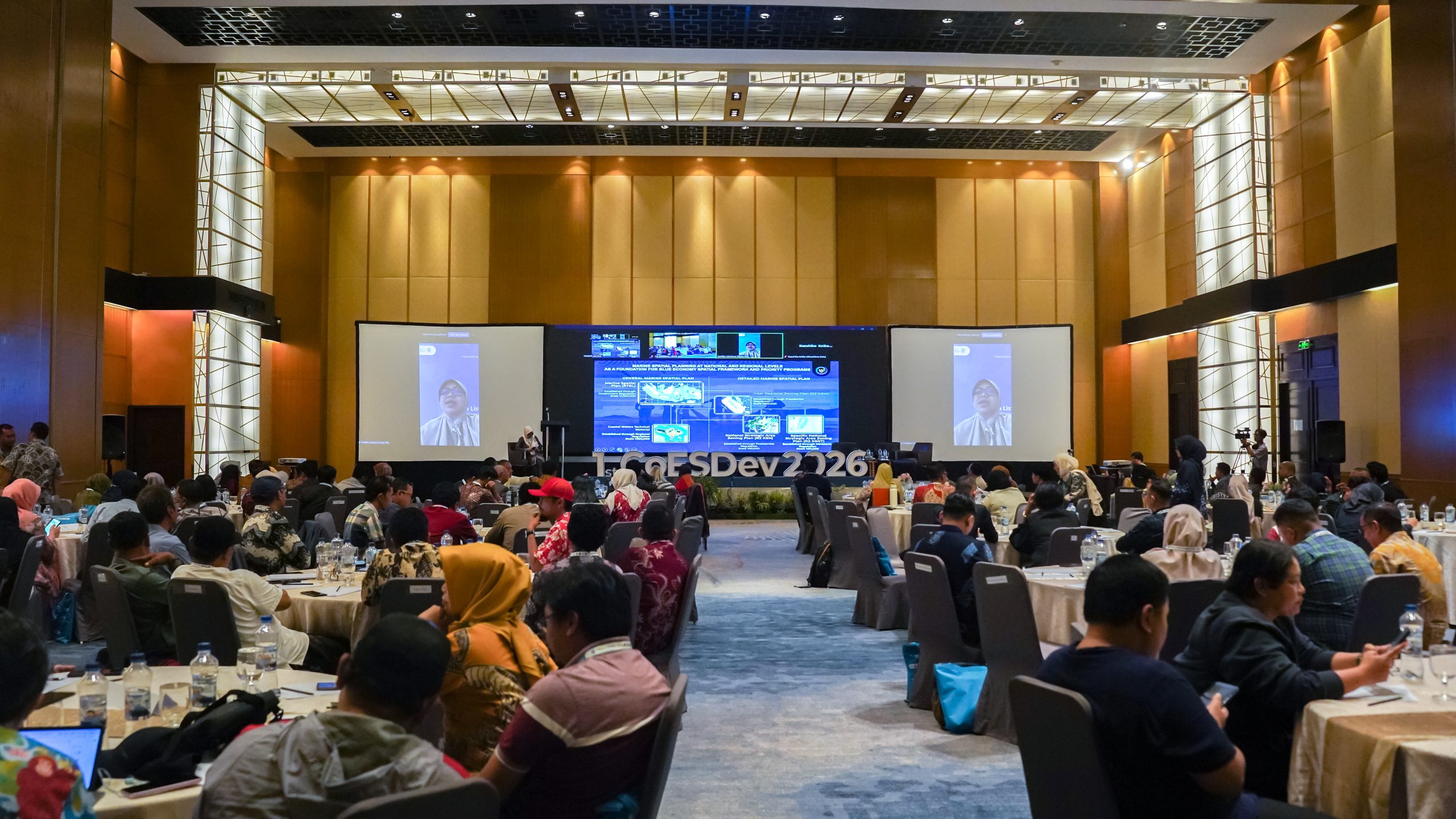
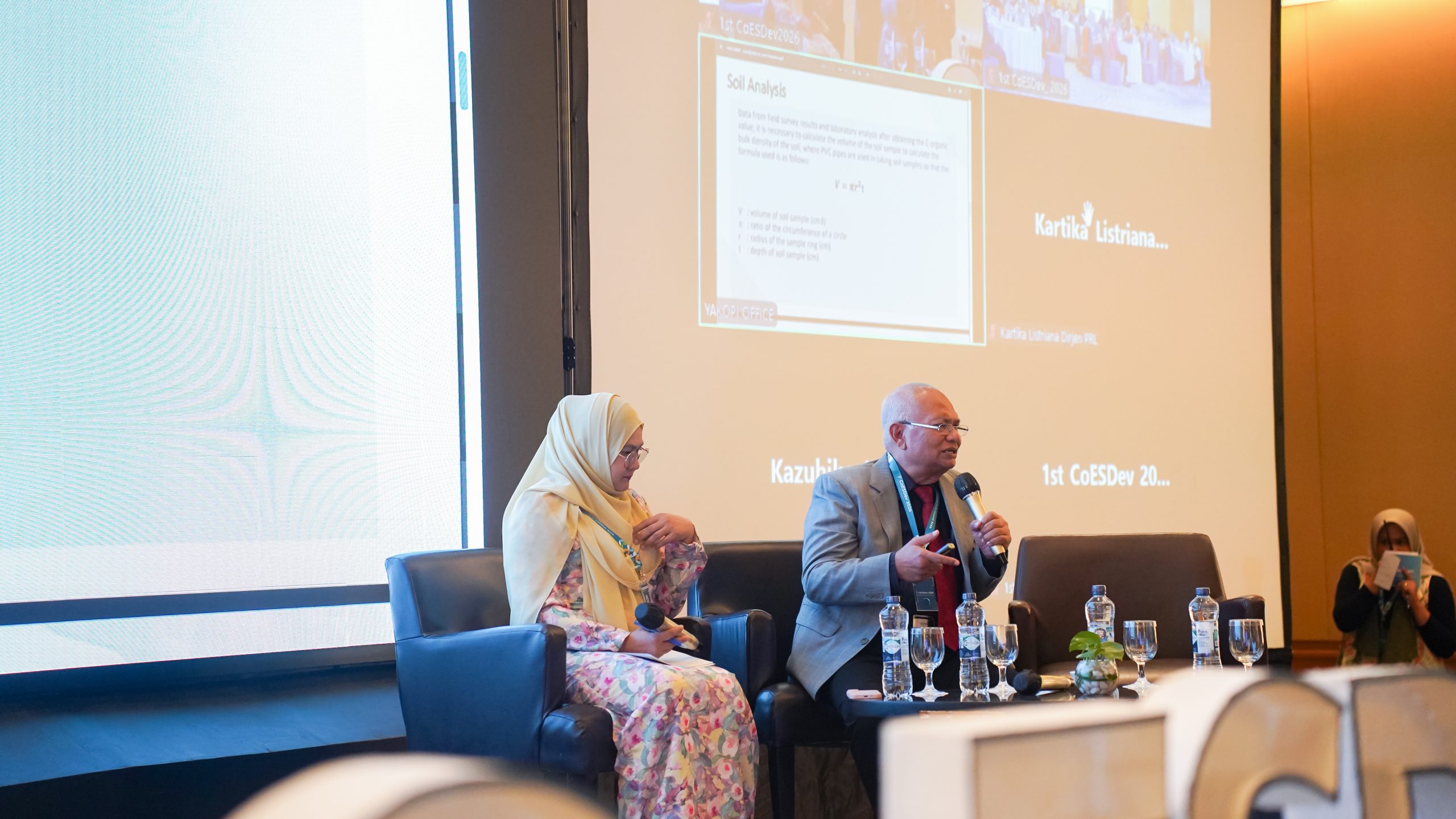
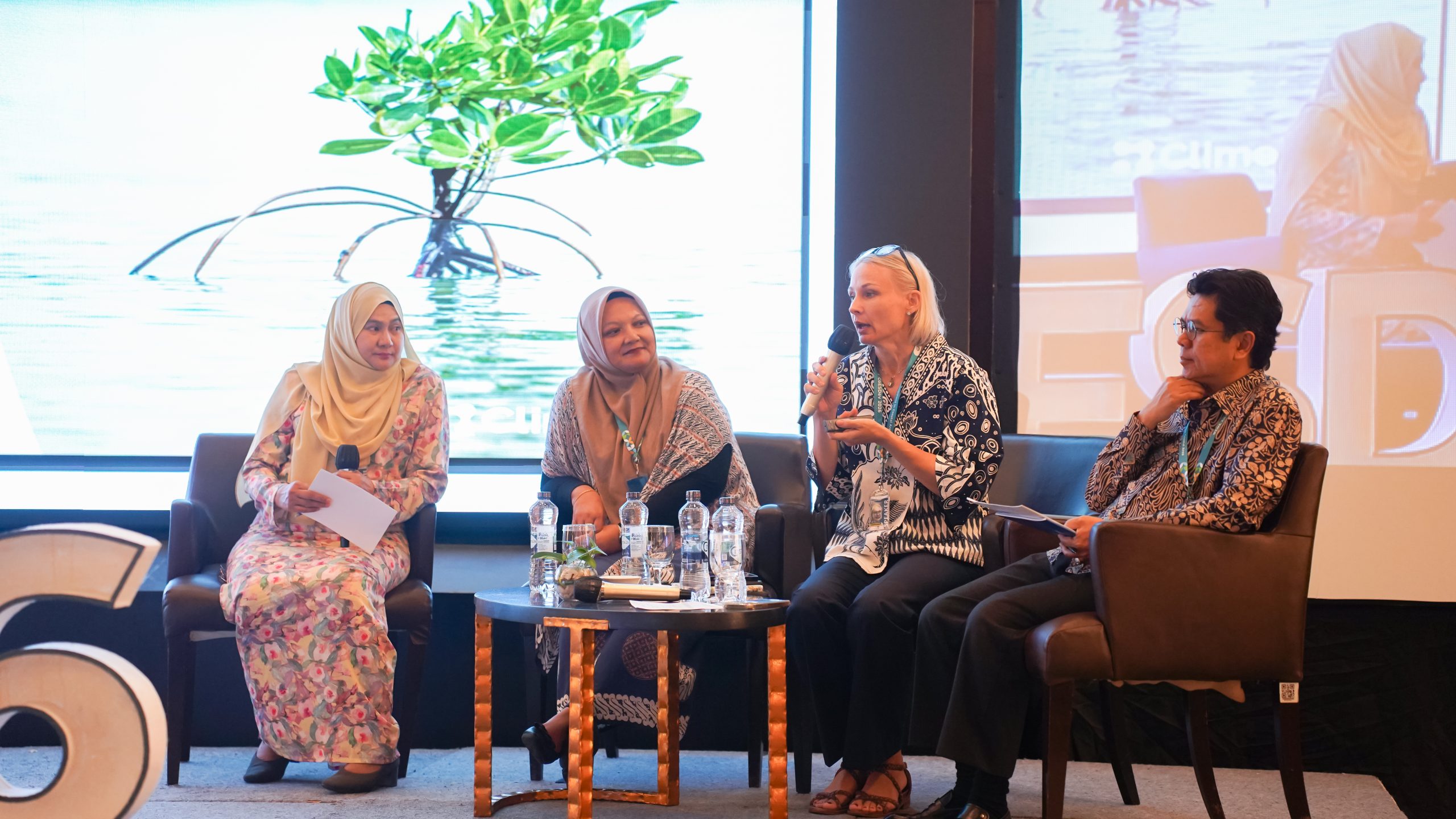
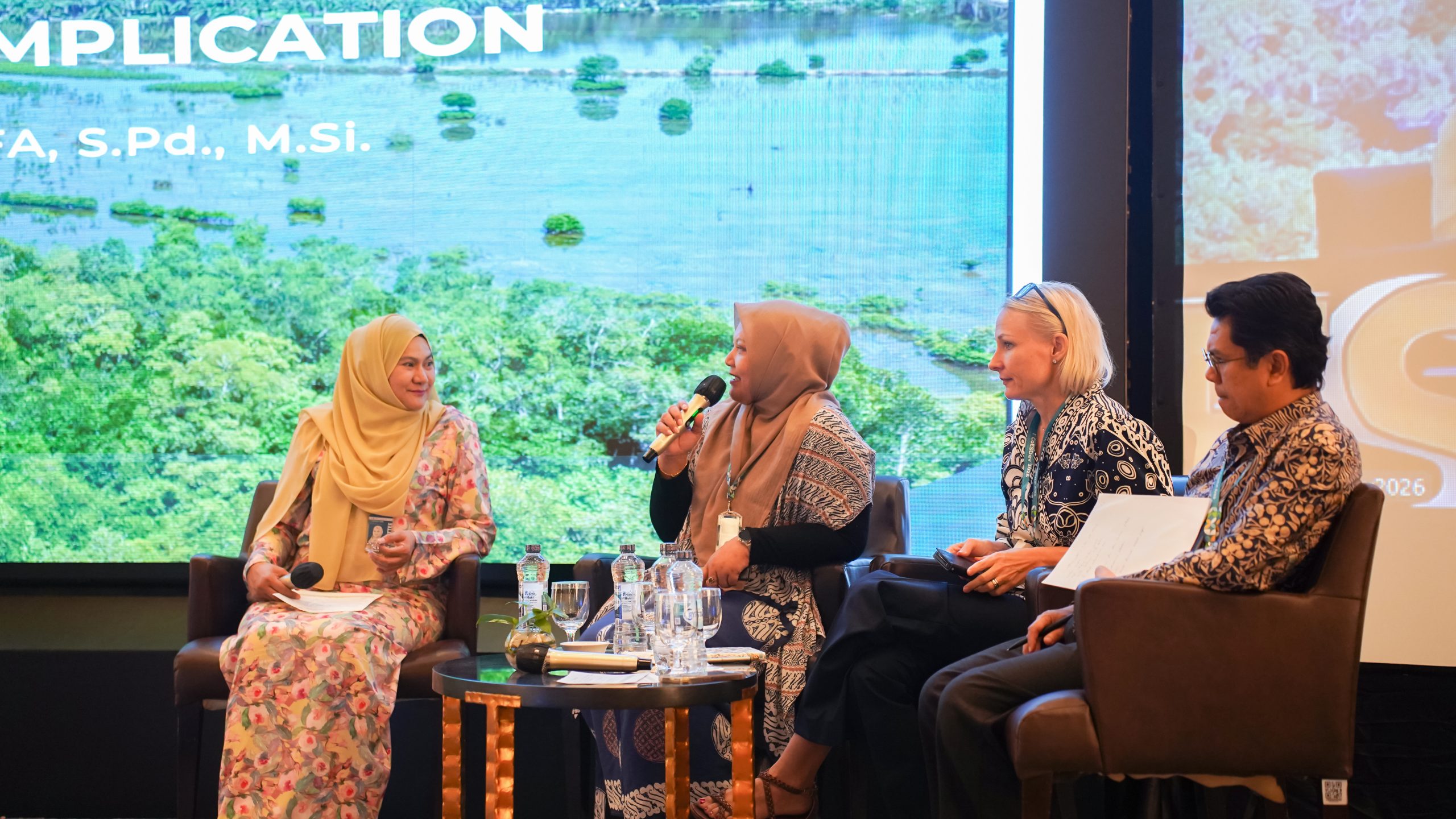
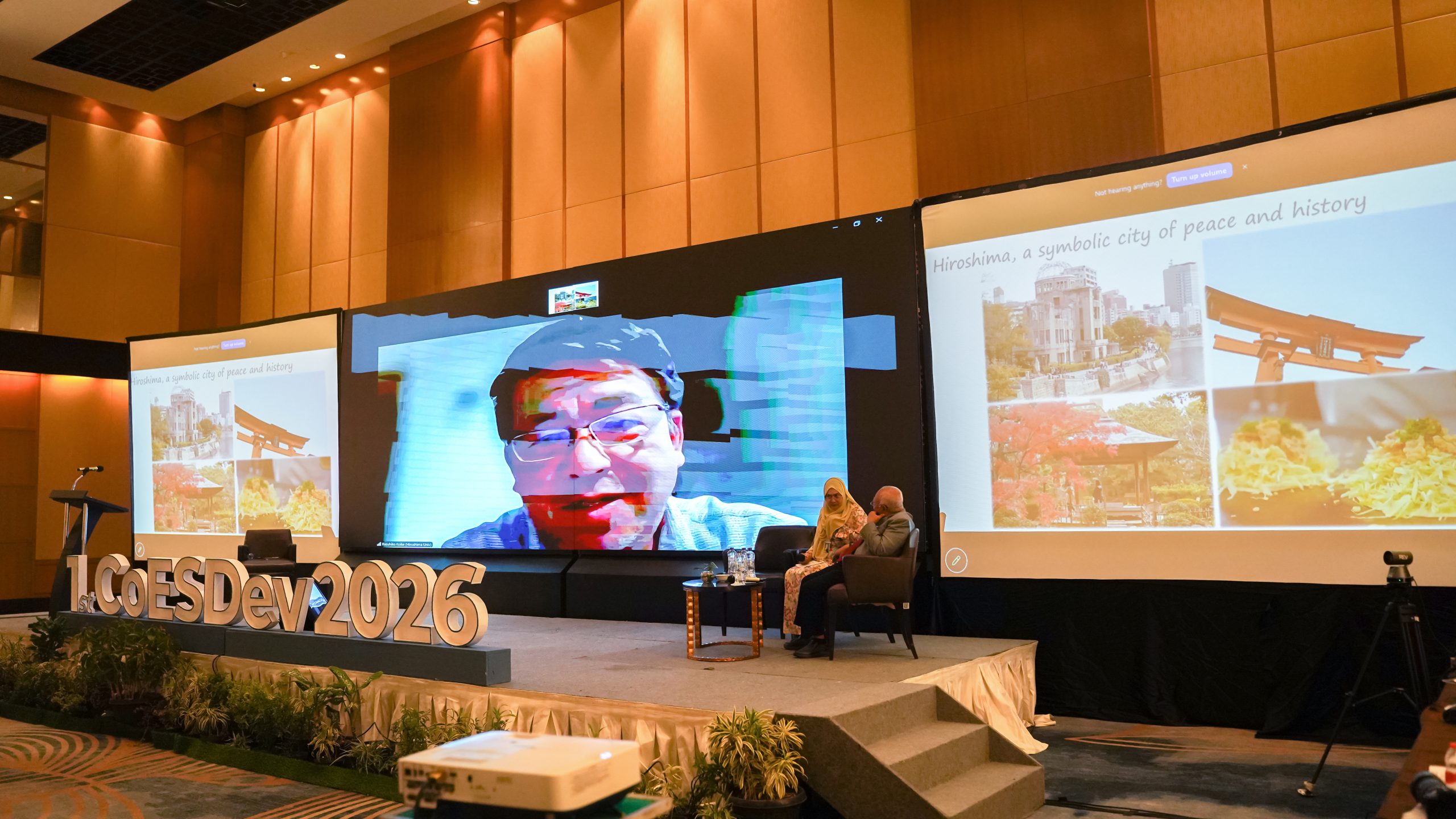
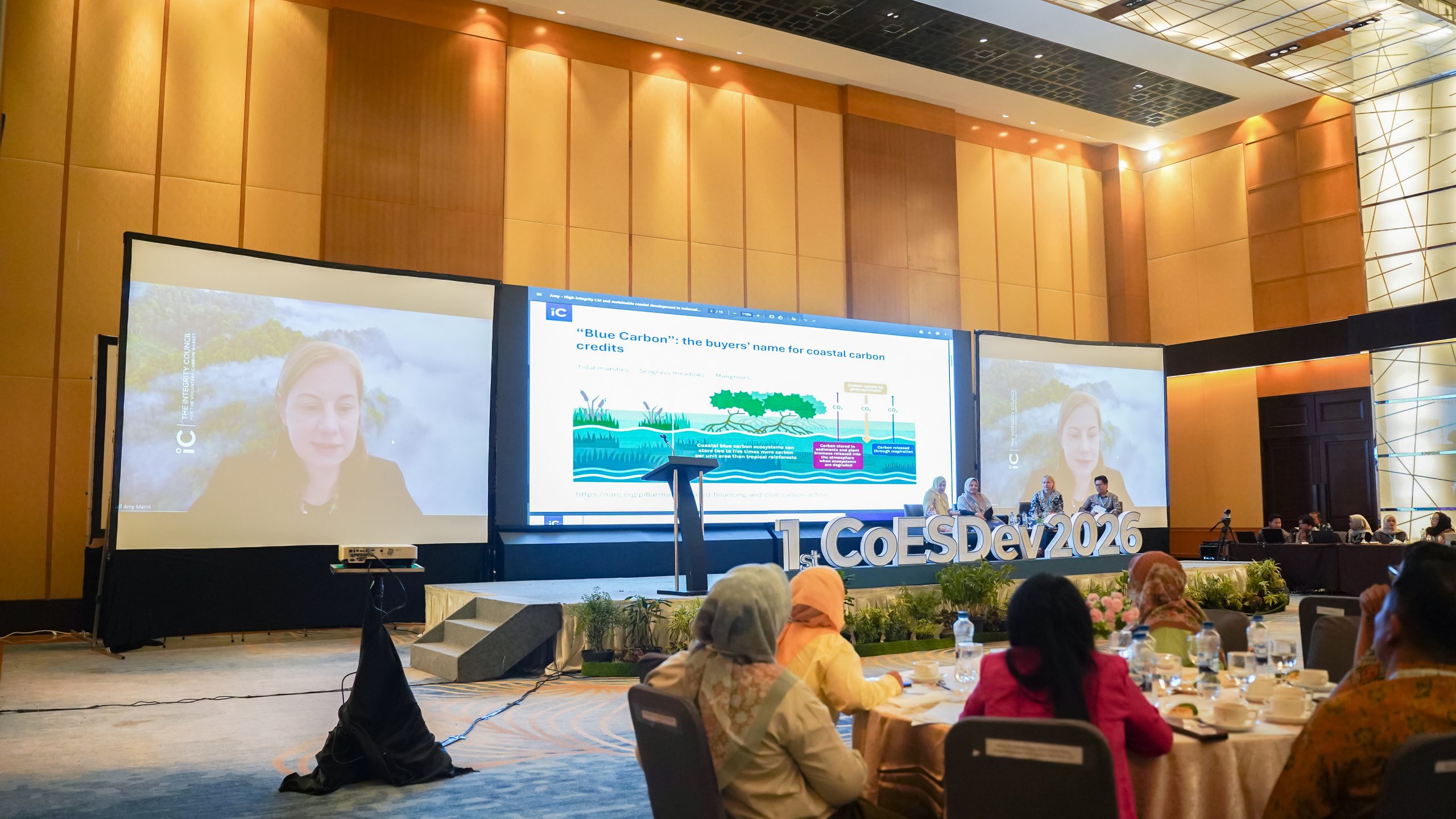
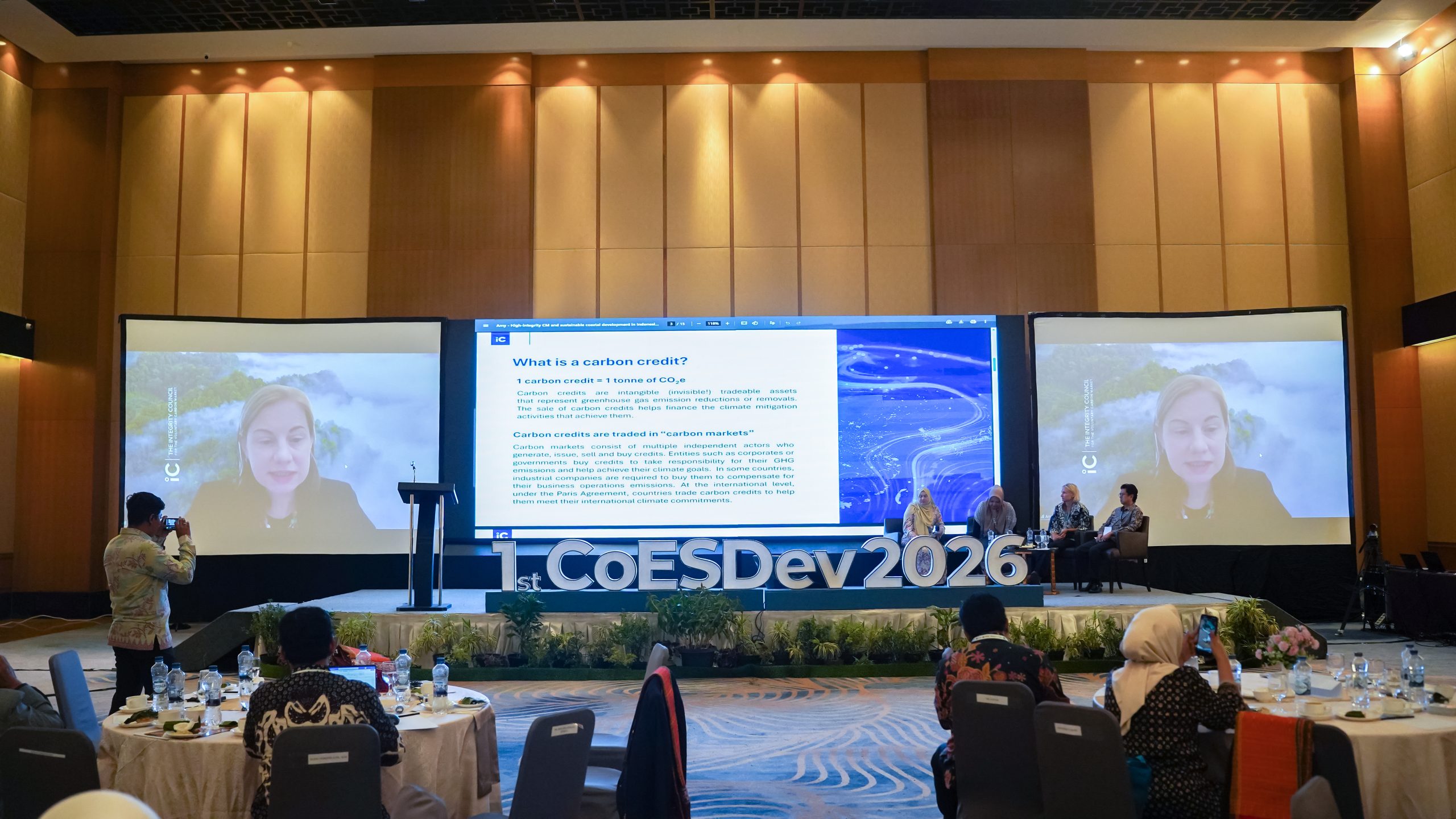
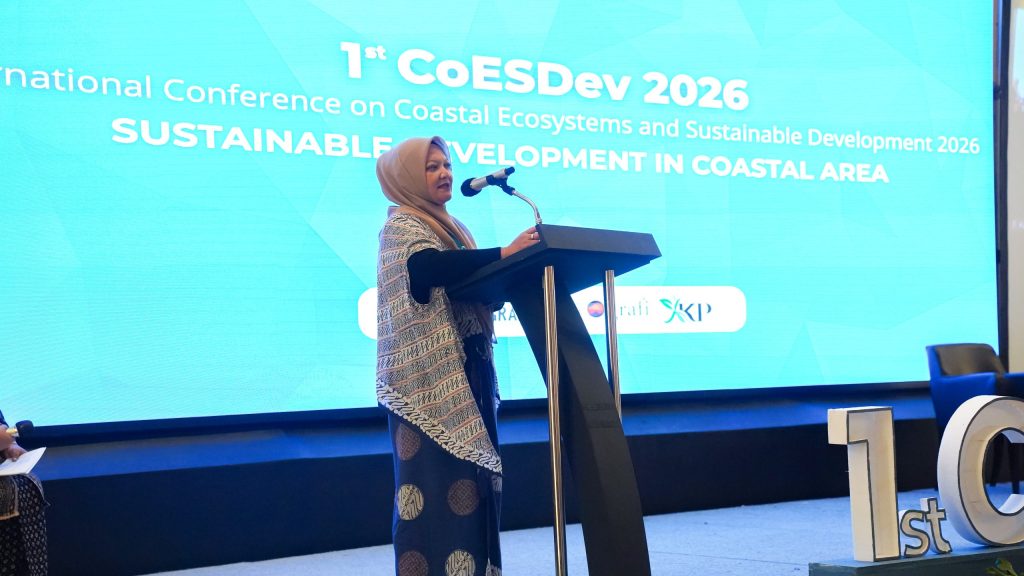
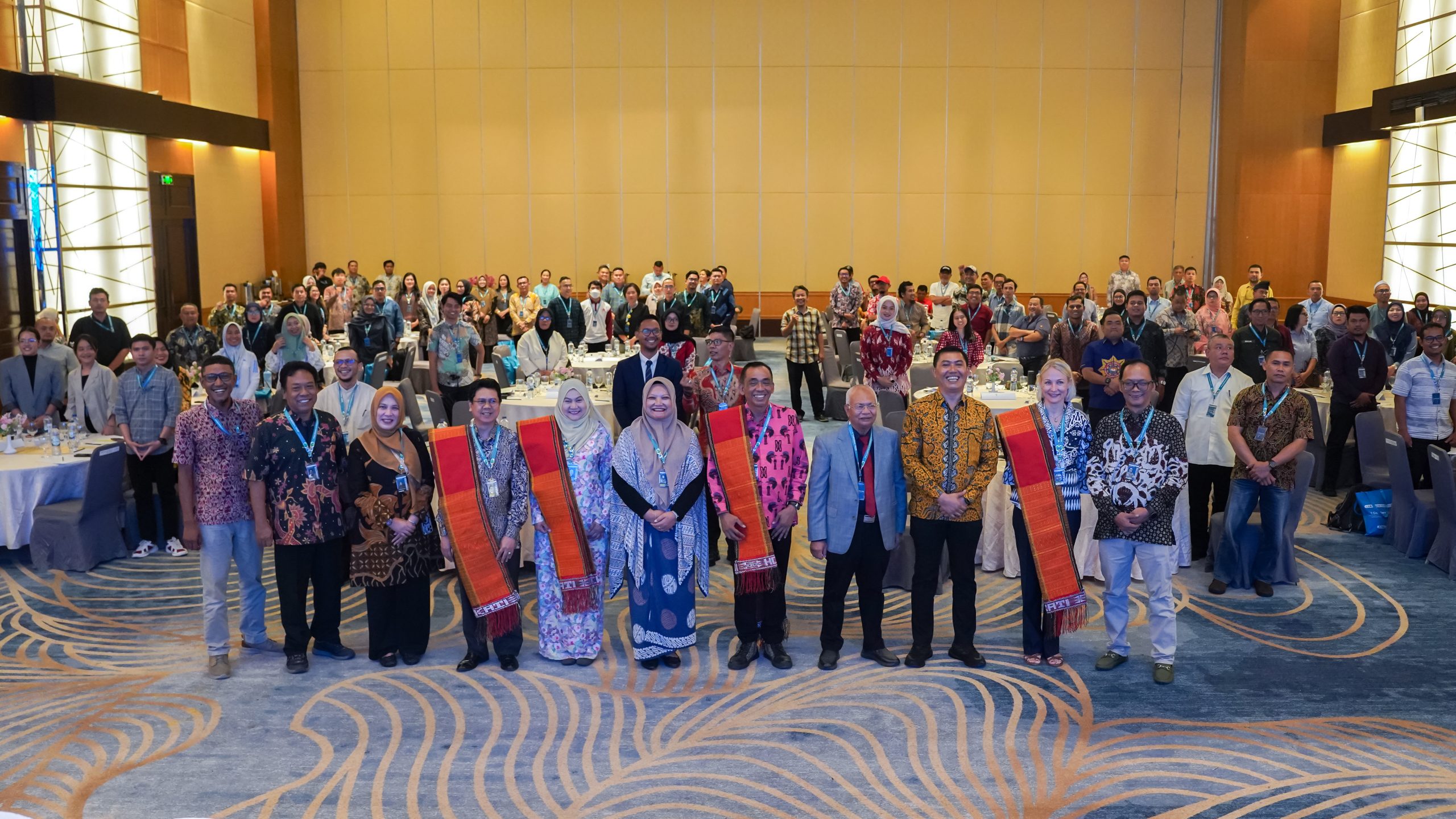
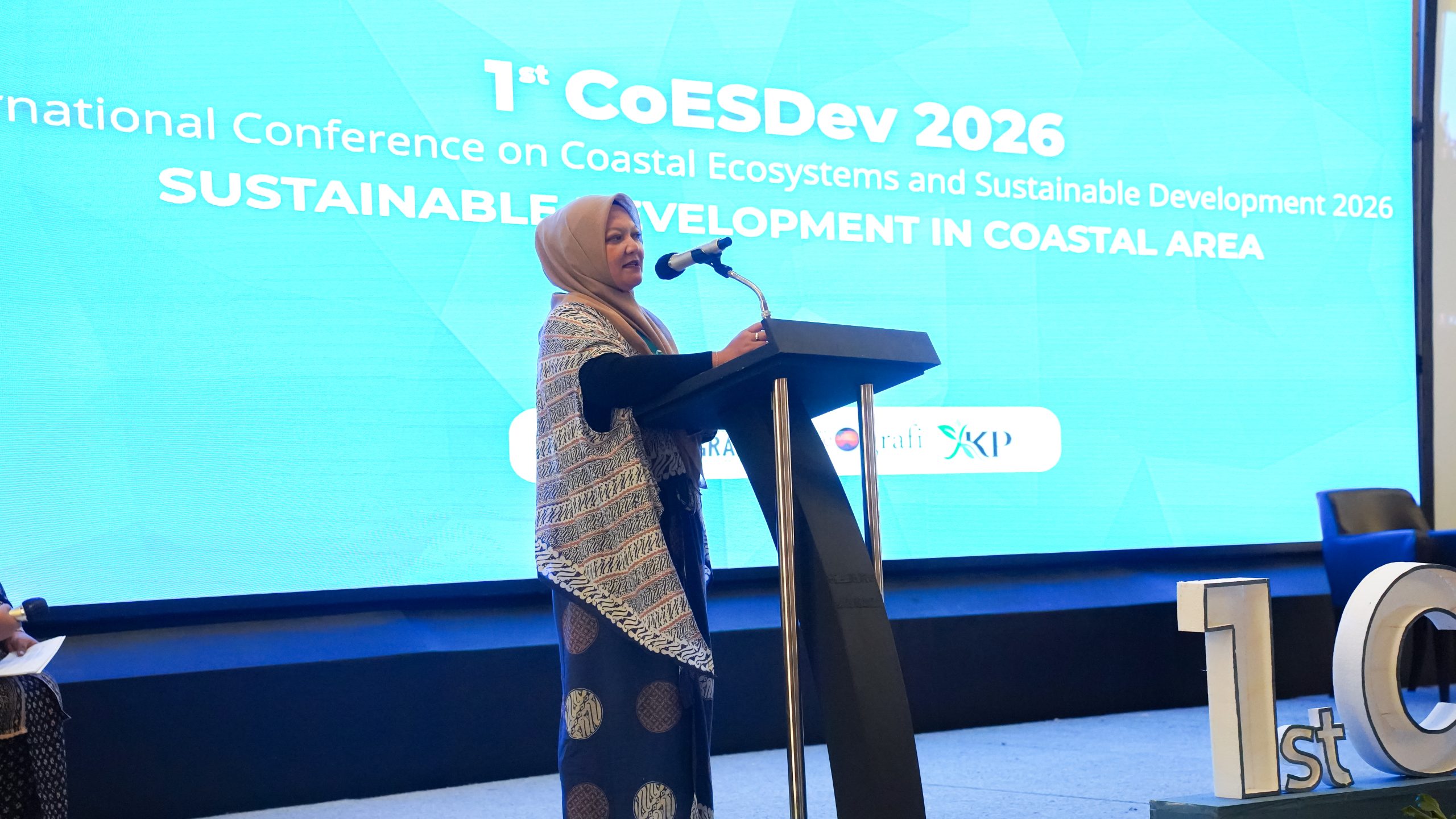
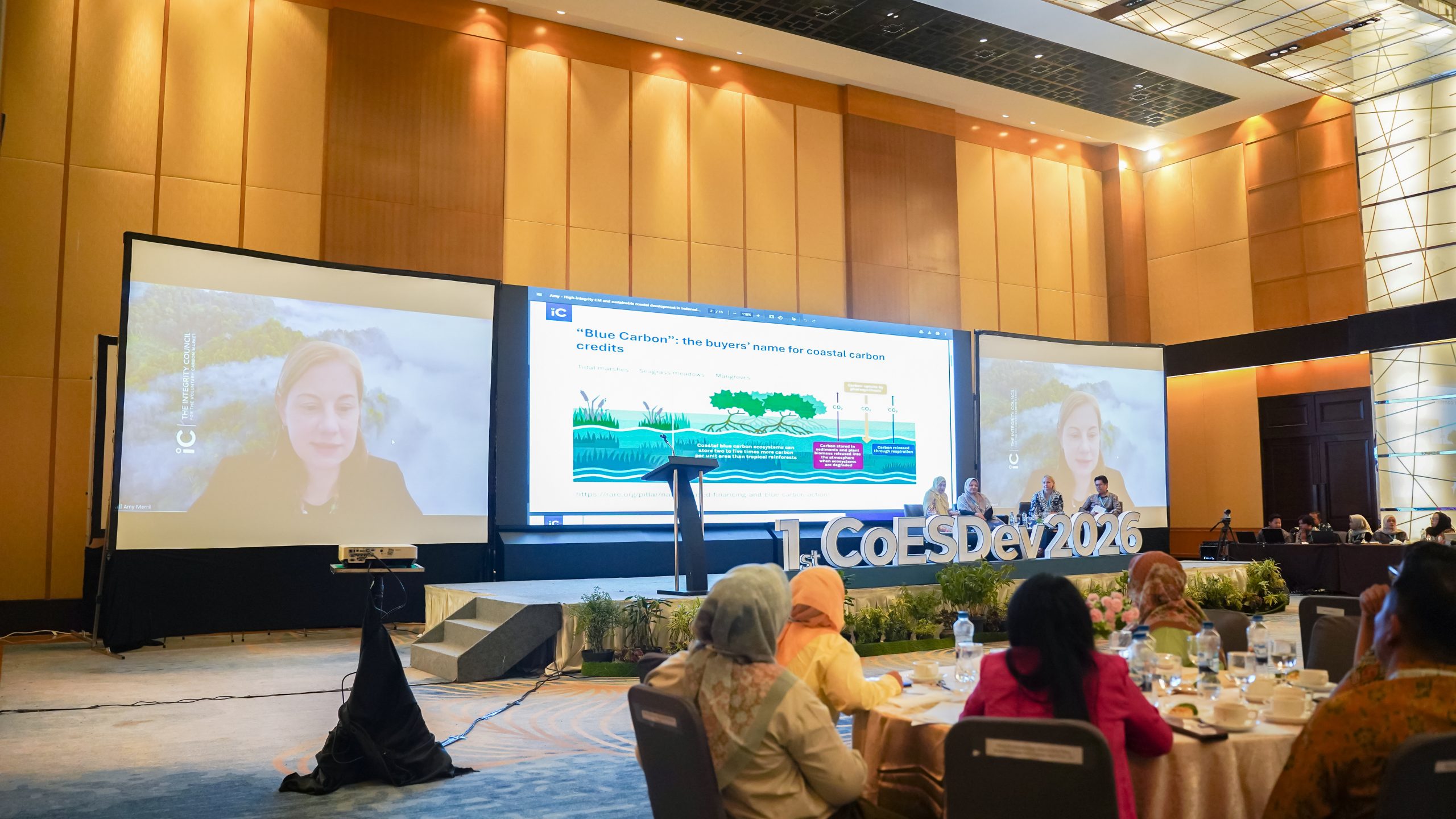
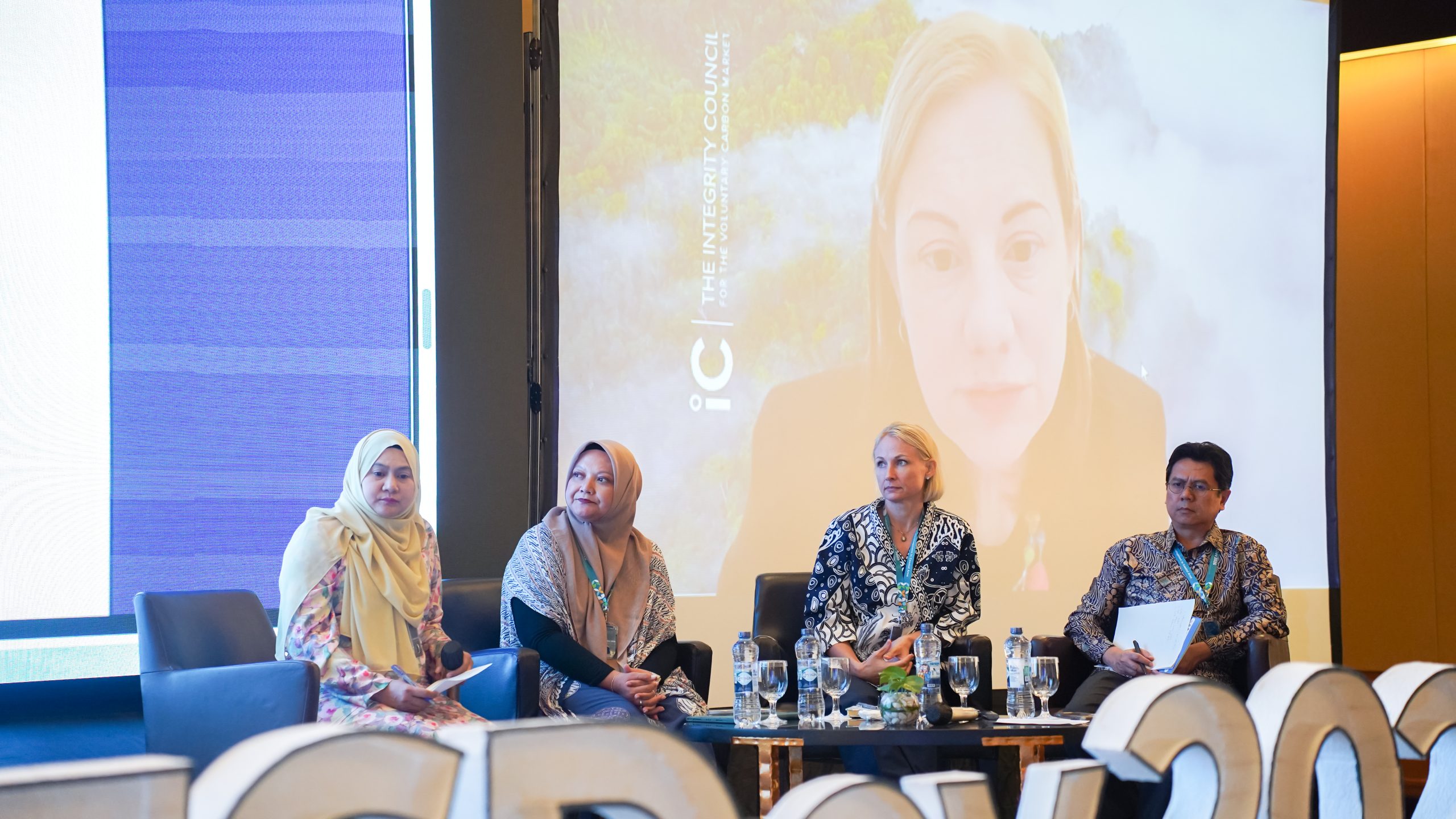
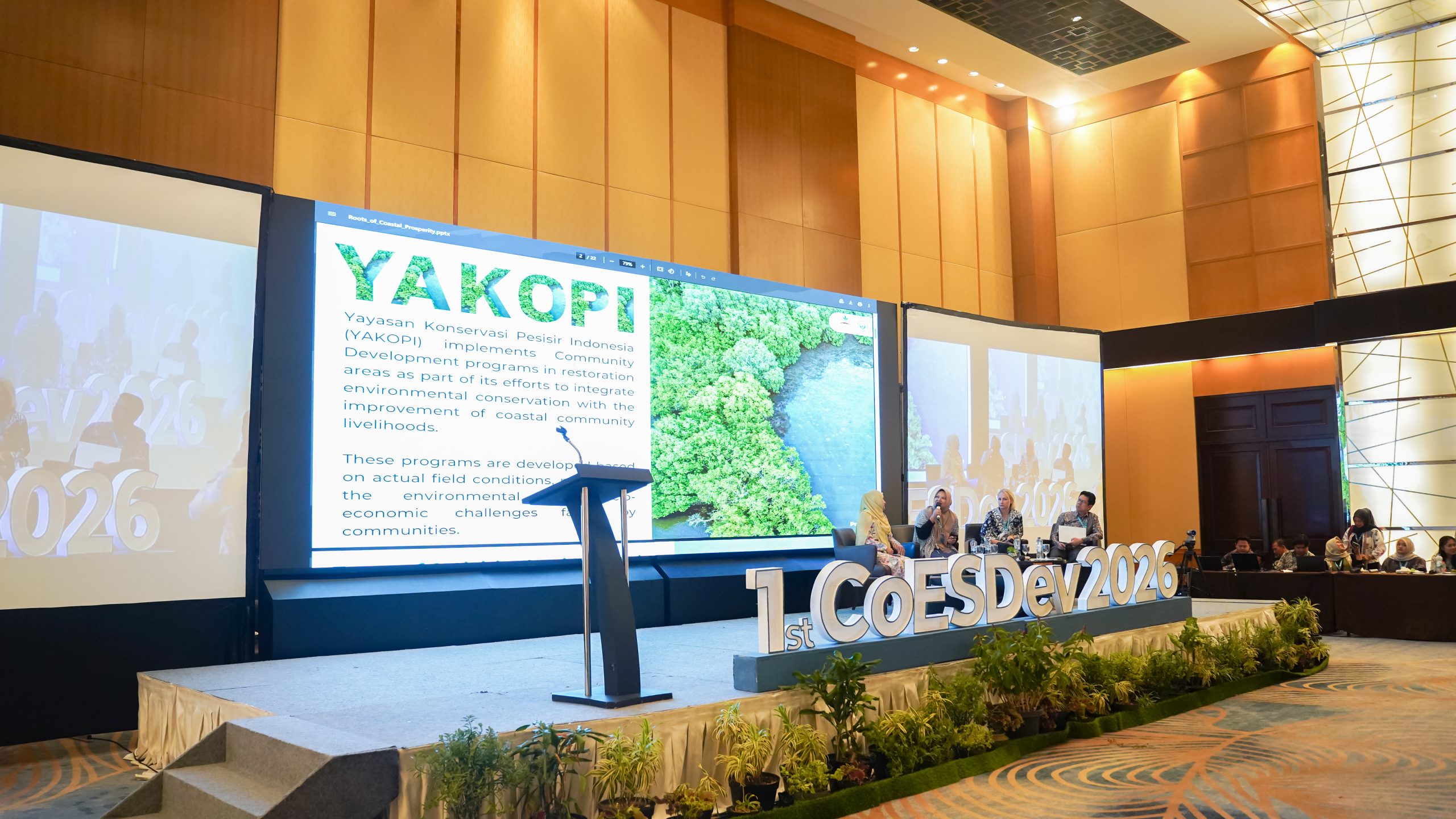
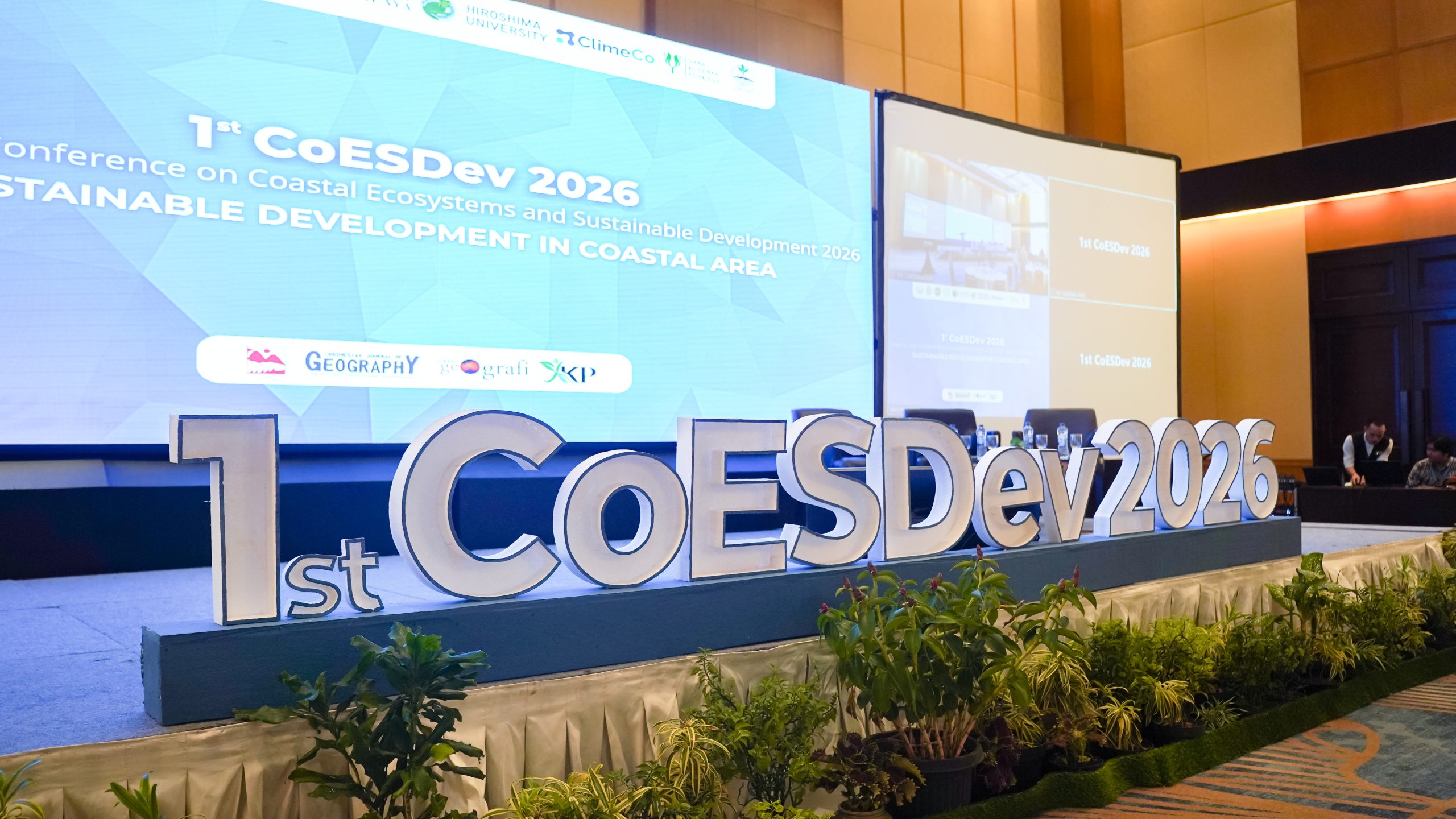
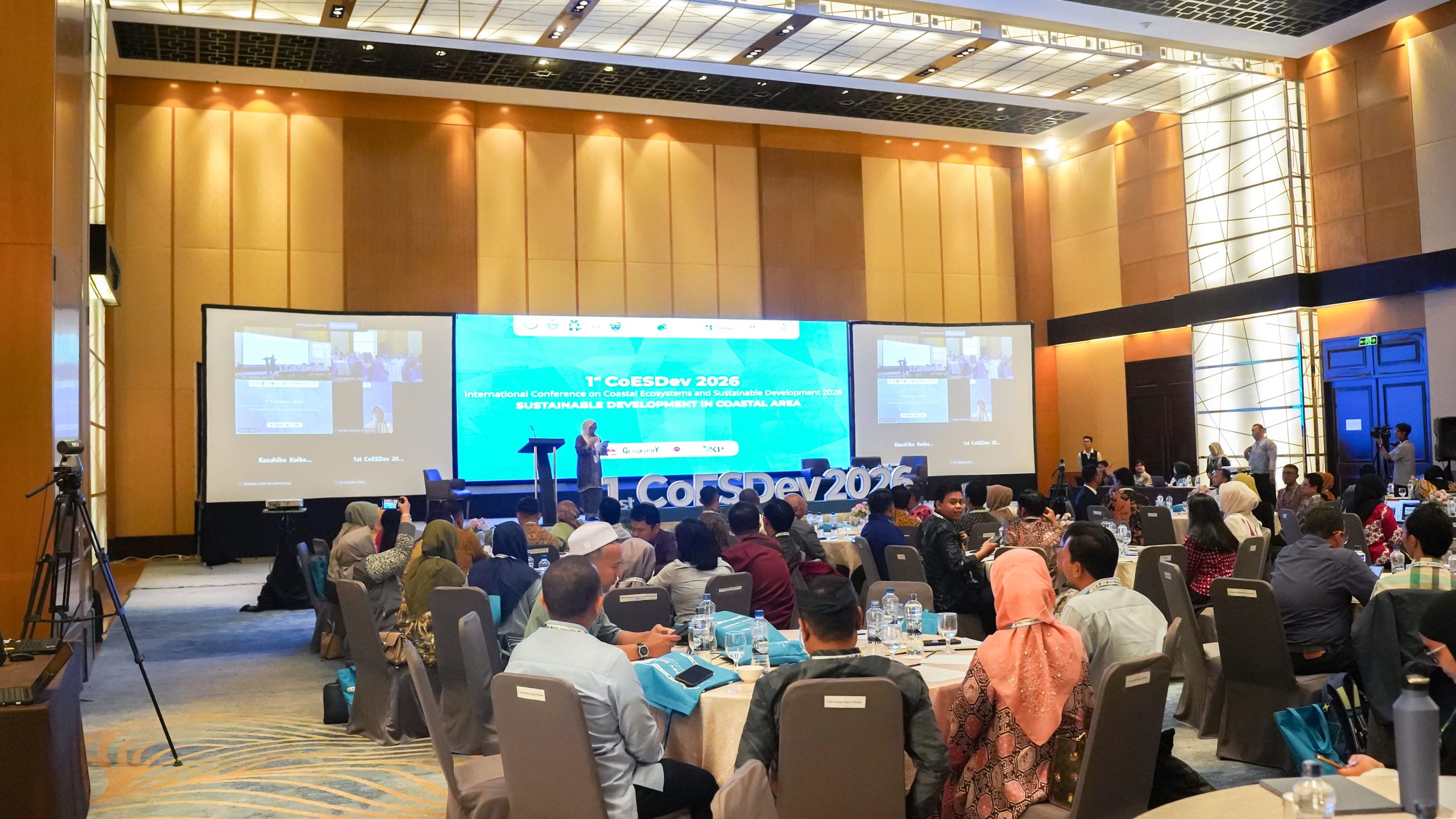
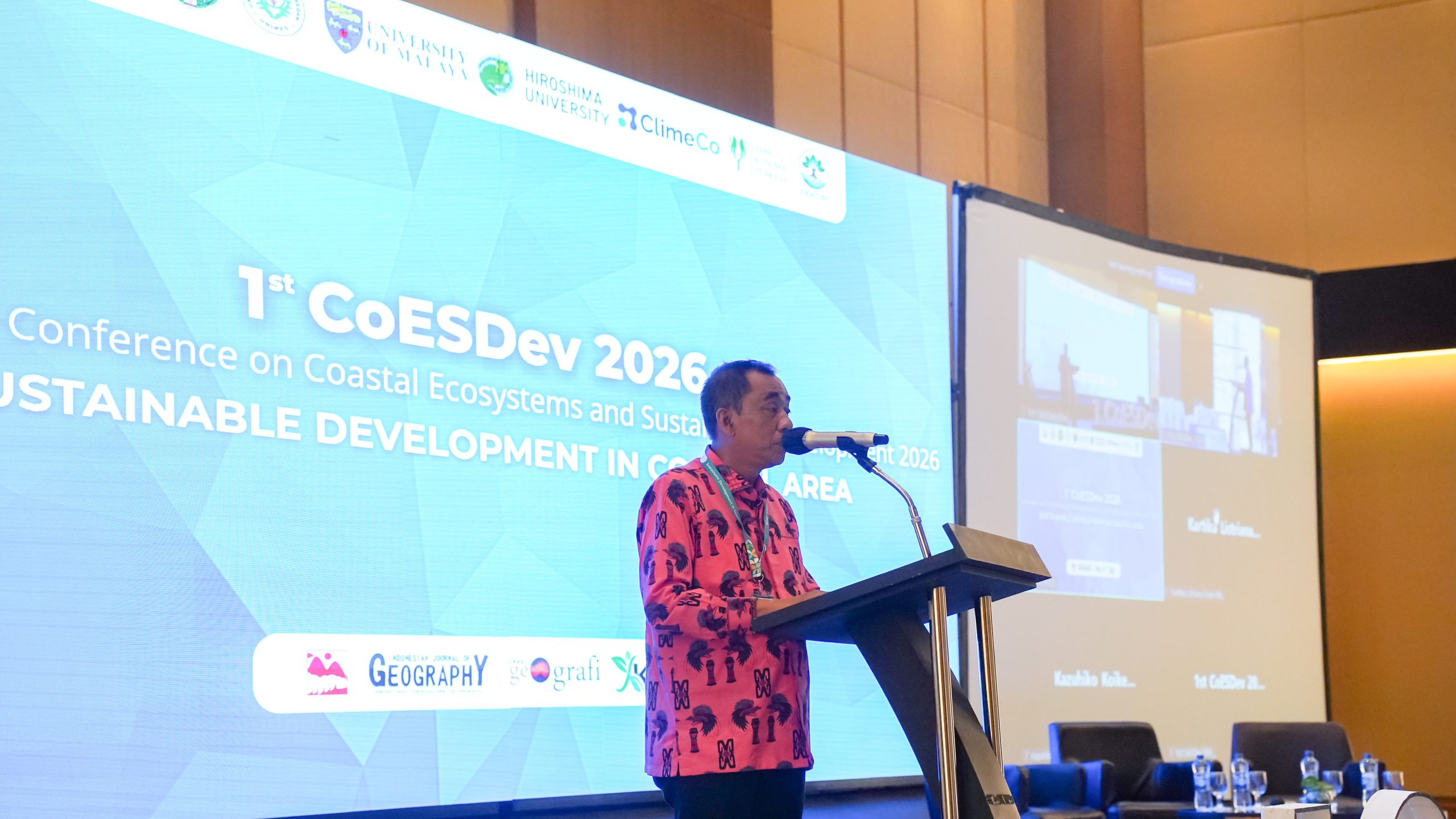
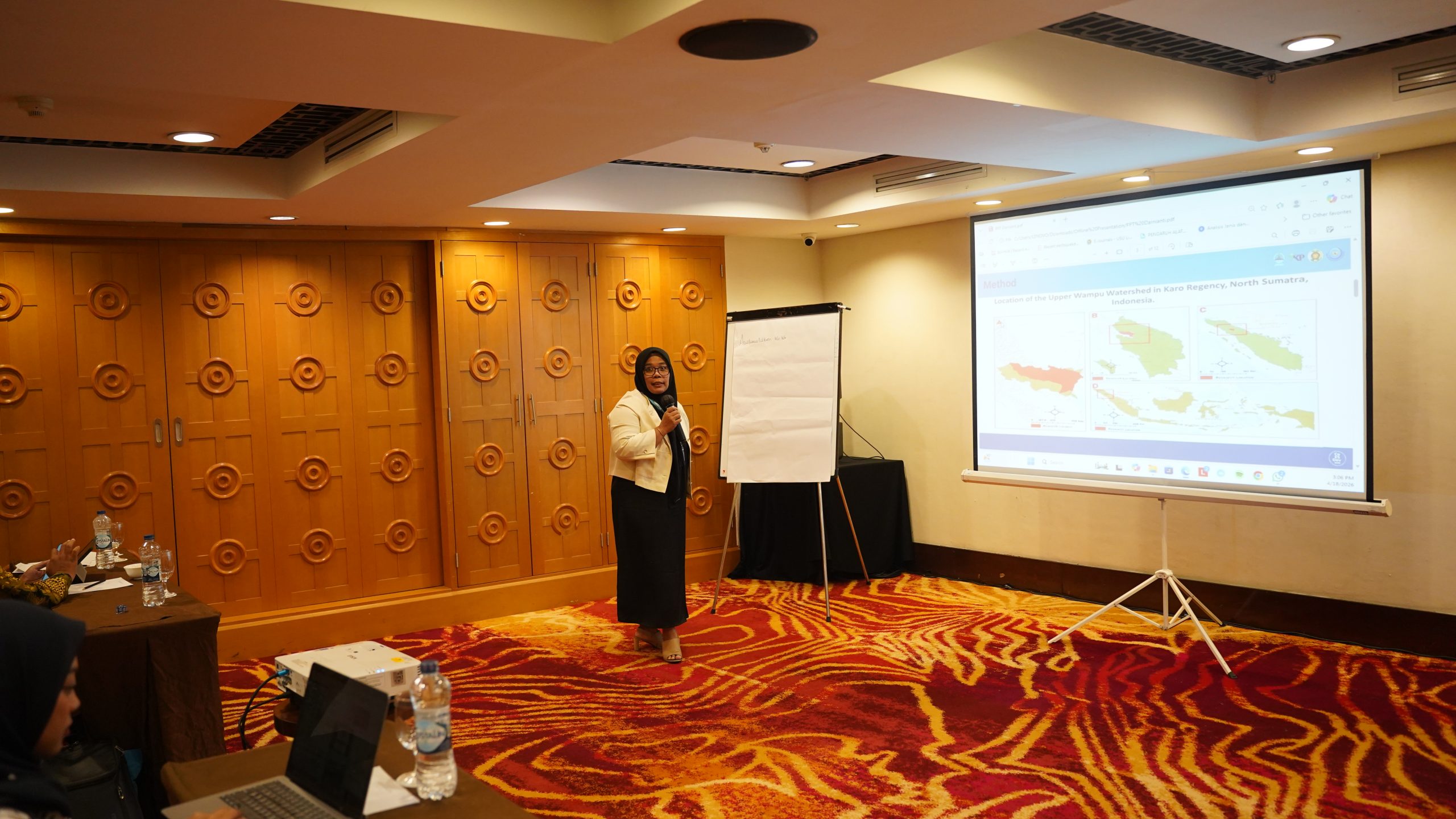
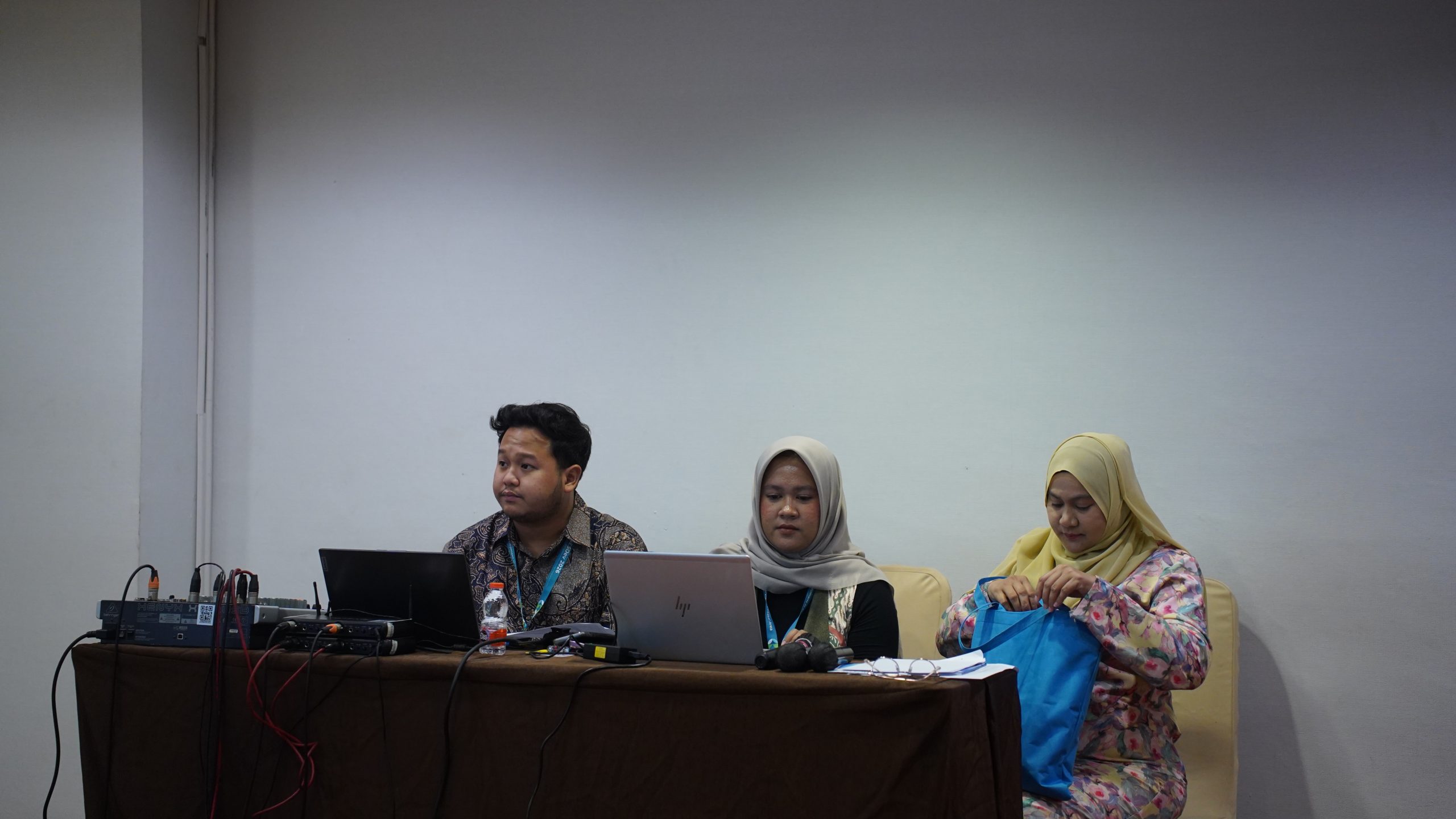
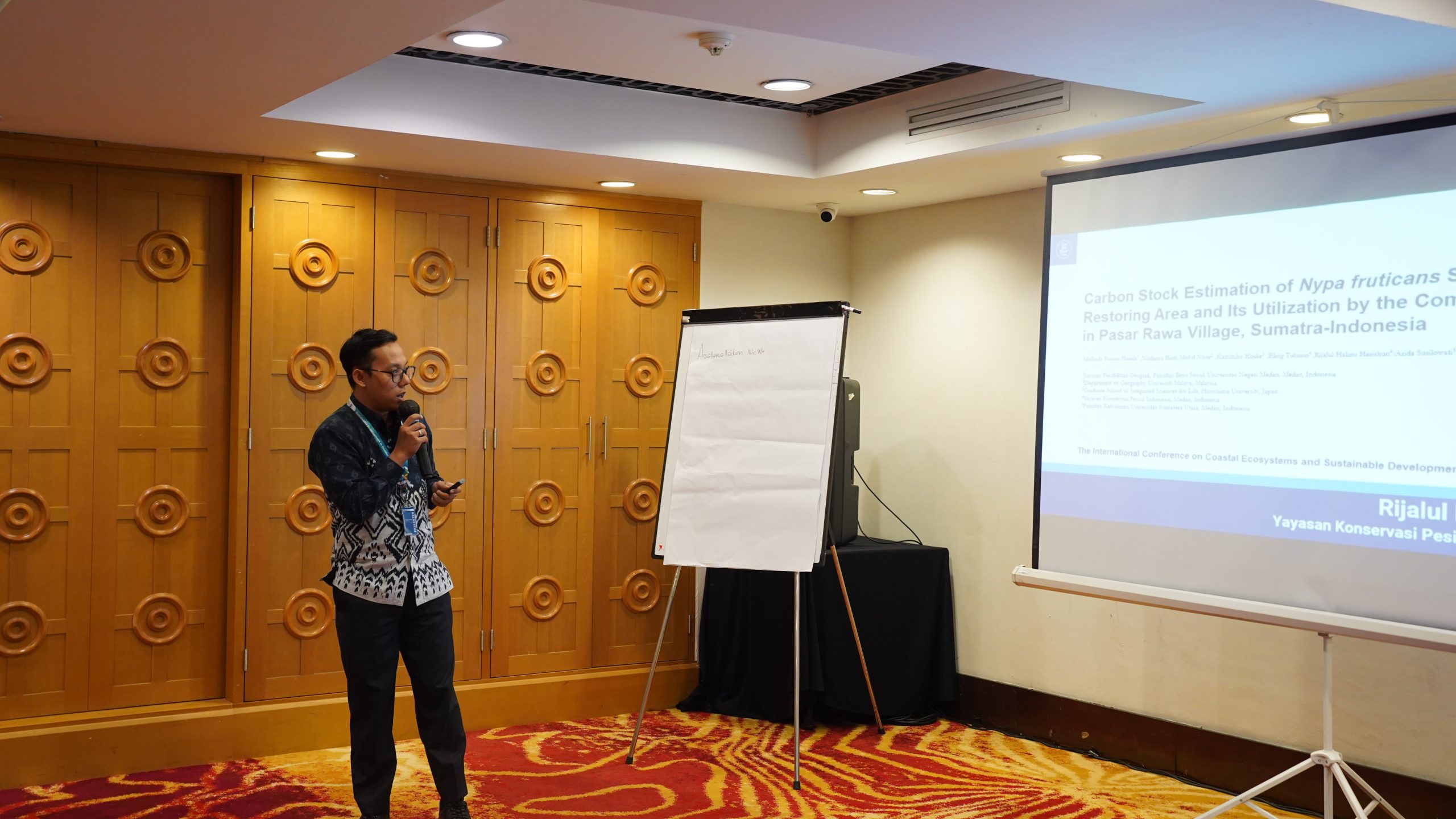
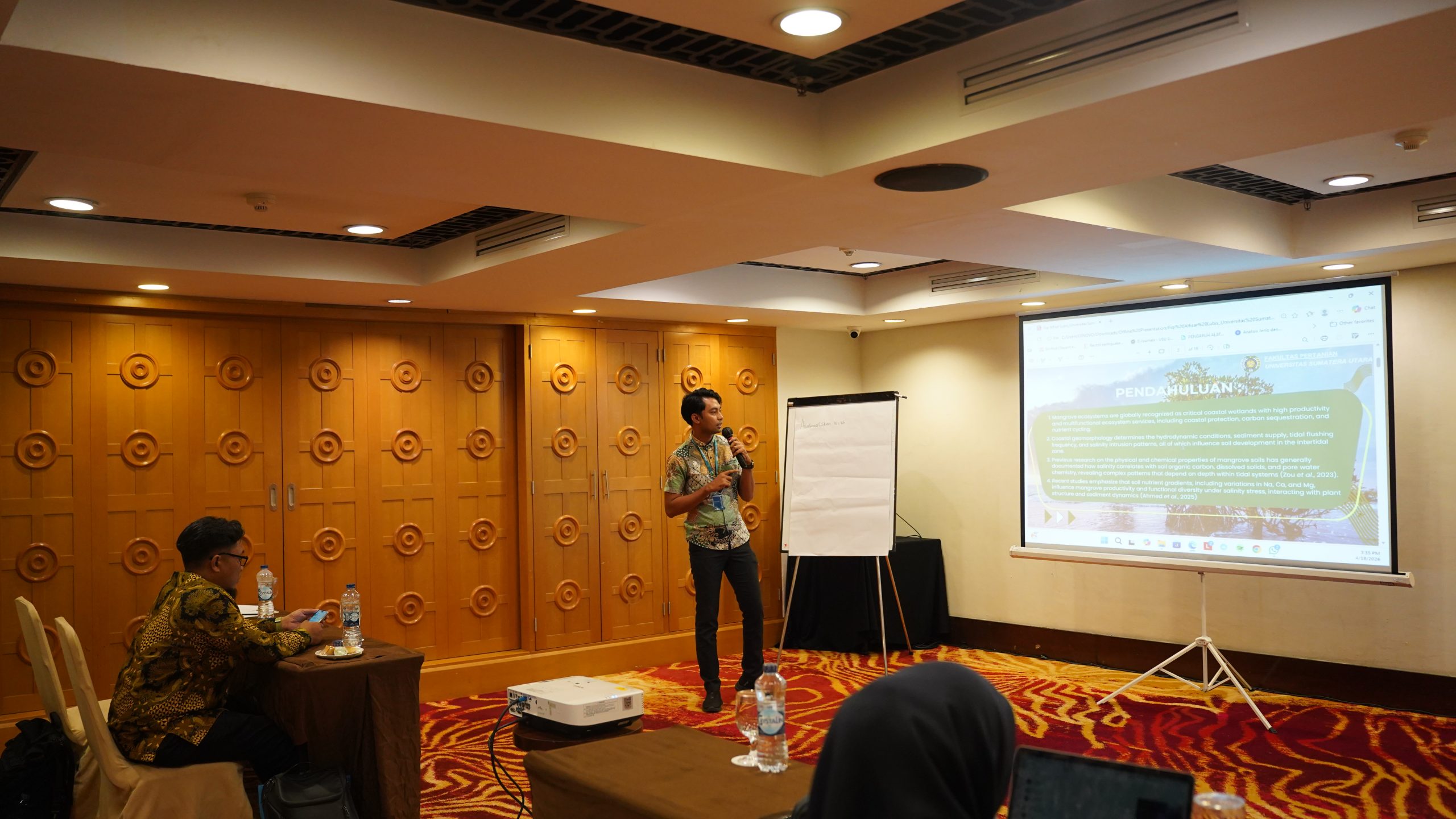
The 1st CoESDev 2026 (International Conference on Coastal Ecosystem and Sustainable Development 2026) has been successfully conducted, marking a significant milestone in advancing global dialogue on coastal ecosystem management and sustainable development. The event served as a dynamic platform that brought together academics, policymakers, industry leaders, and environmental practitioners from various countries to exchange ideas, share research findings, and strengthen collaborative networks.
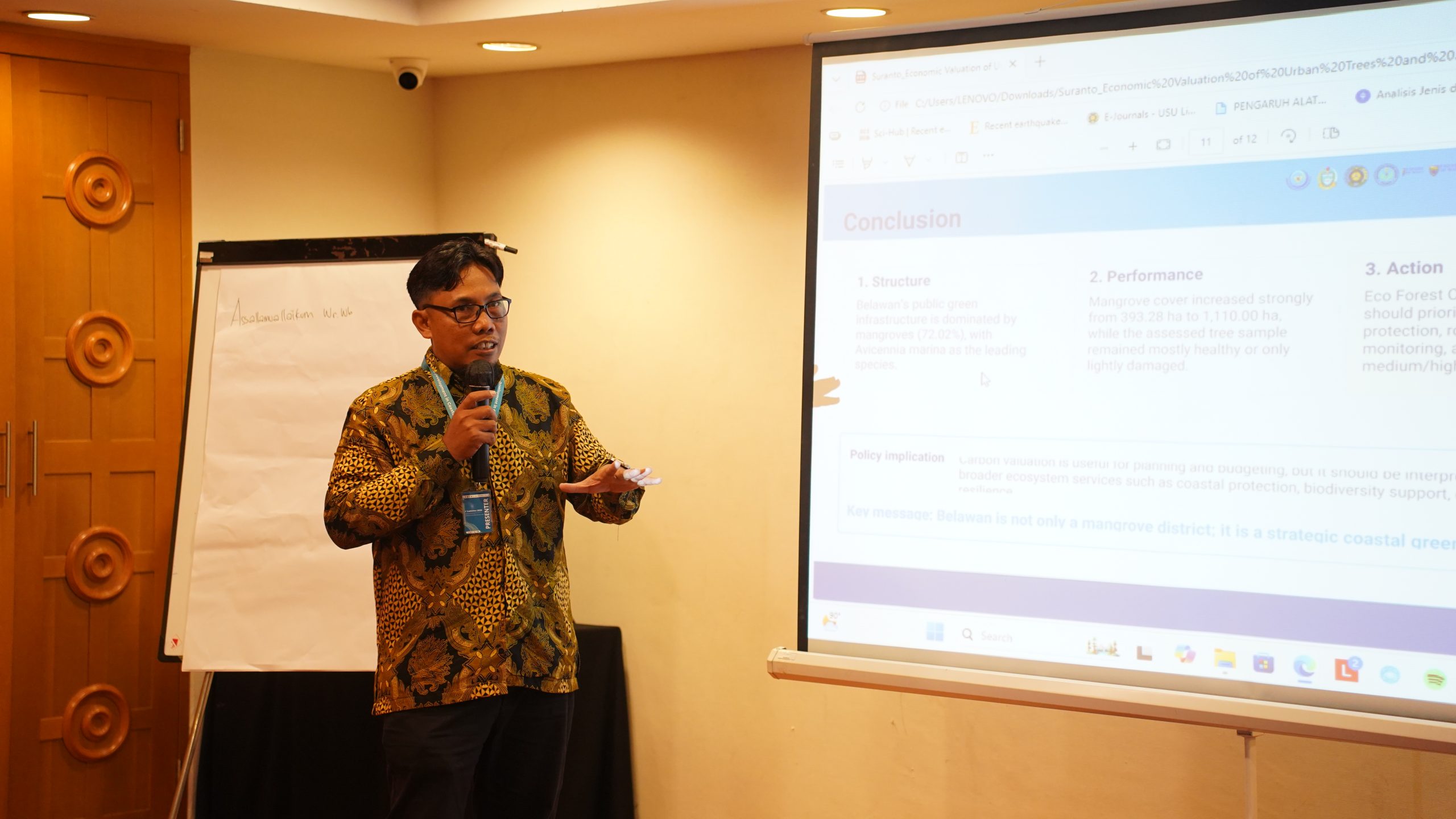
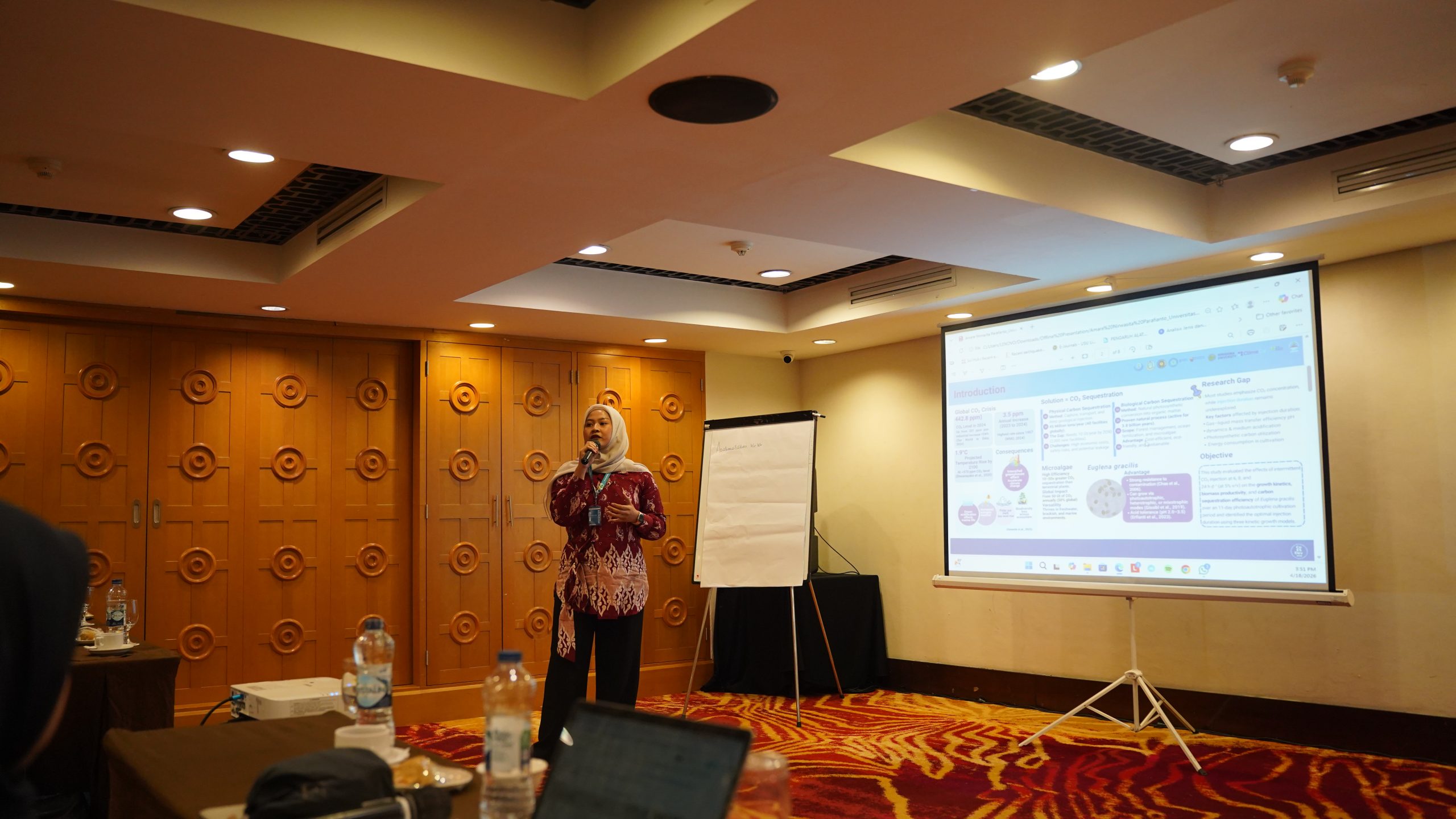
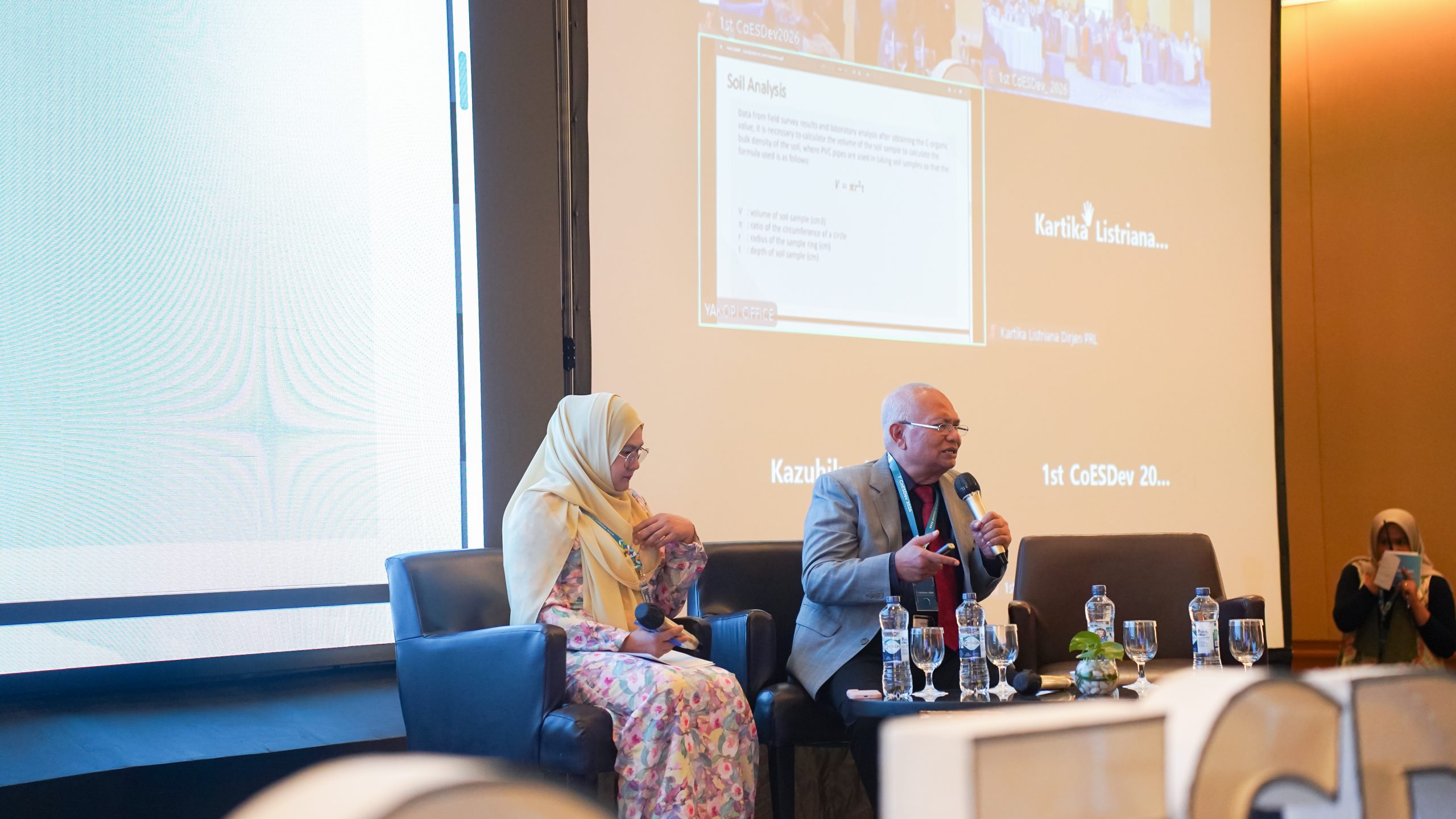
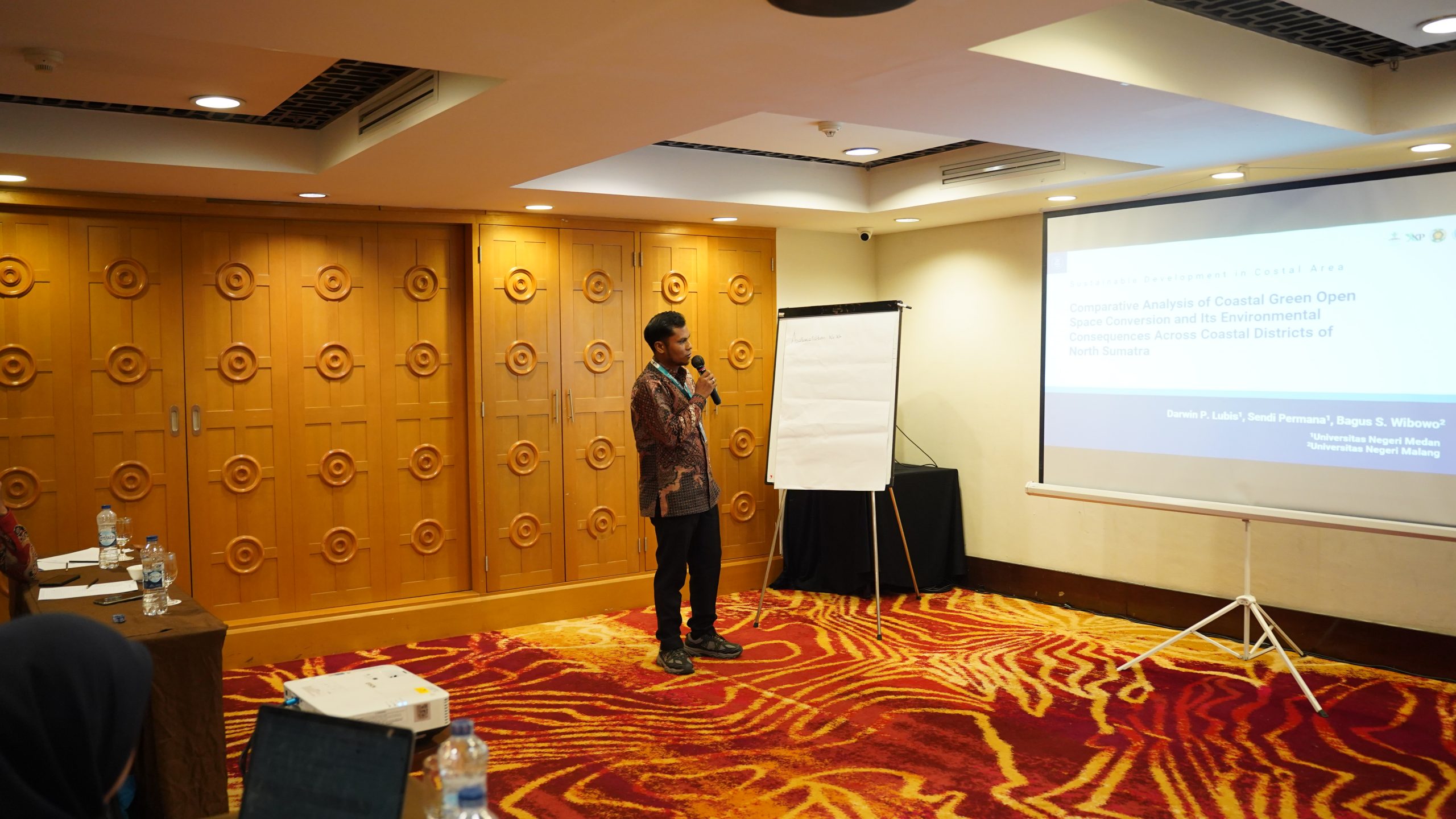
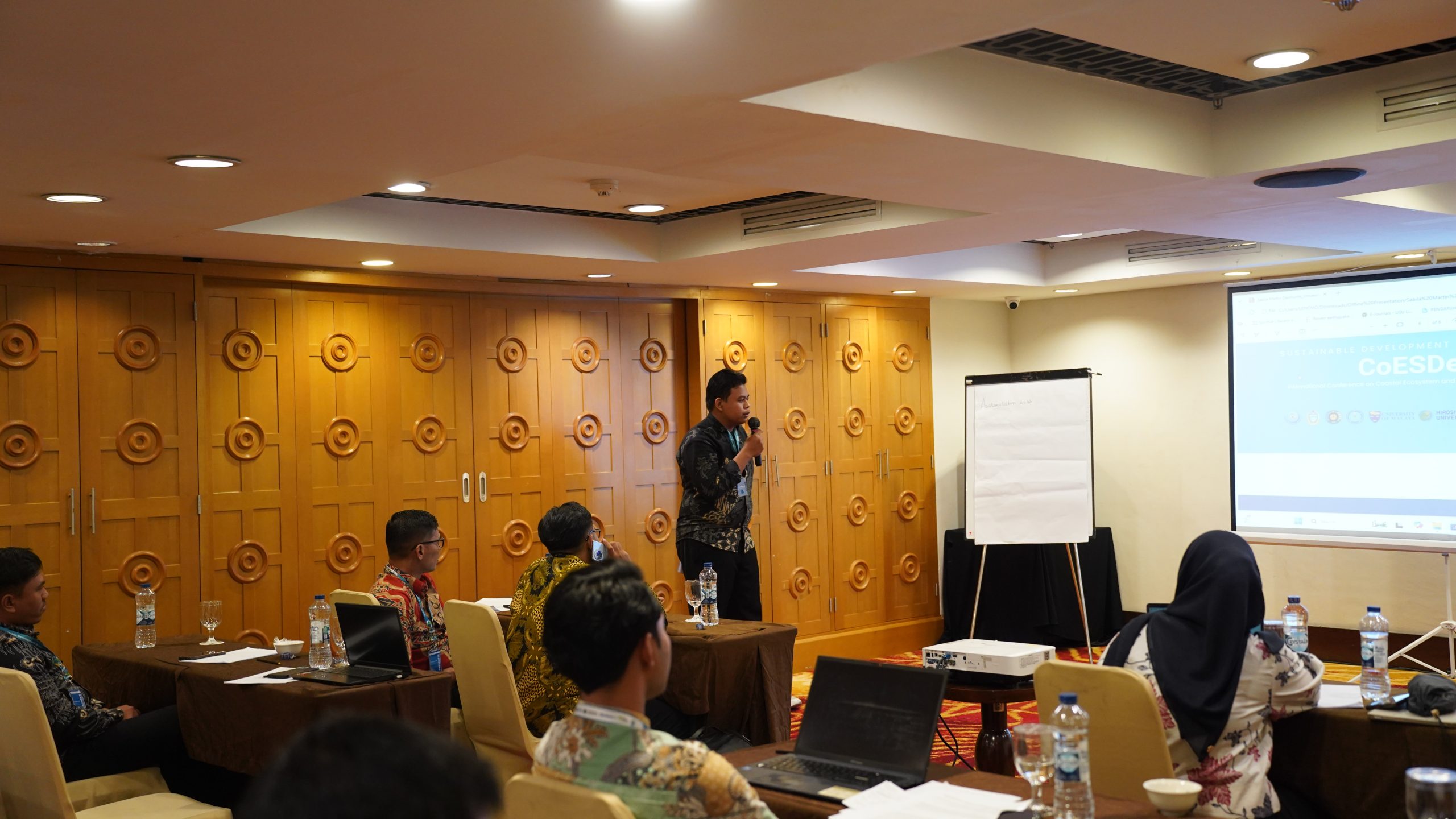
Throughout the conference, participants were actively engaged in a wide range of insightful sessions, including keynote presentations, panel discussions, and interactive forums. These sessions addressed critical issues such as marine spatial planning, climate resilience, sustainable land use, and innovative approaches to ecosystem conservation. The lively discussions and knowledge-sharing activities contributed to a highly enriching experience, fostering deeper understanding and inspiring new initiatives among attendees.
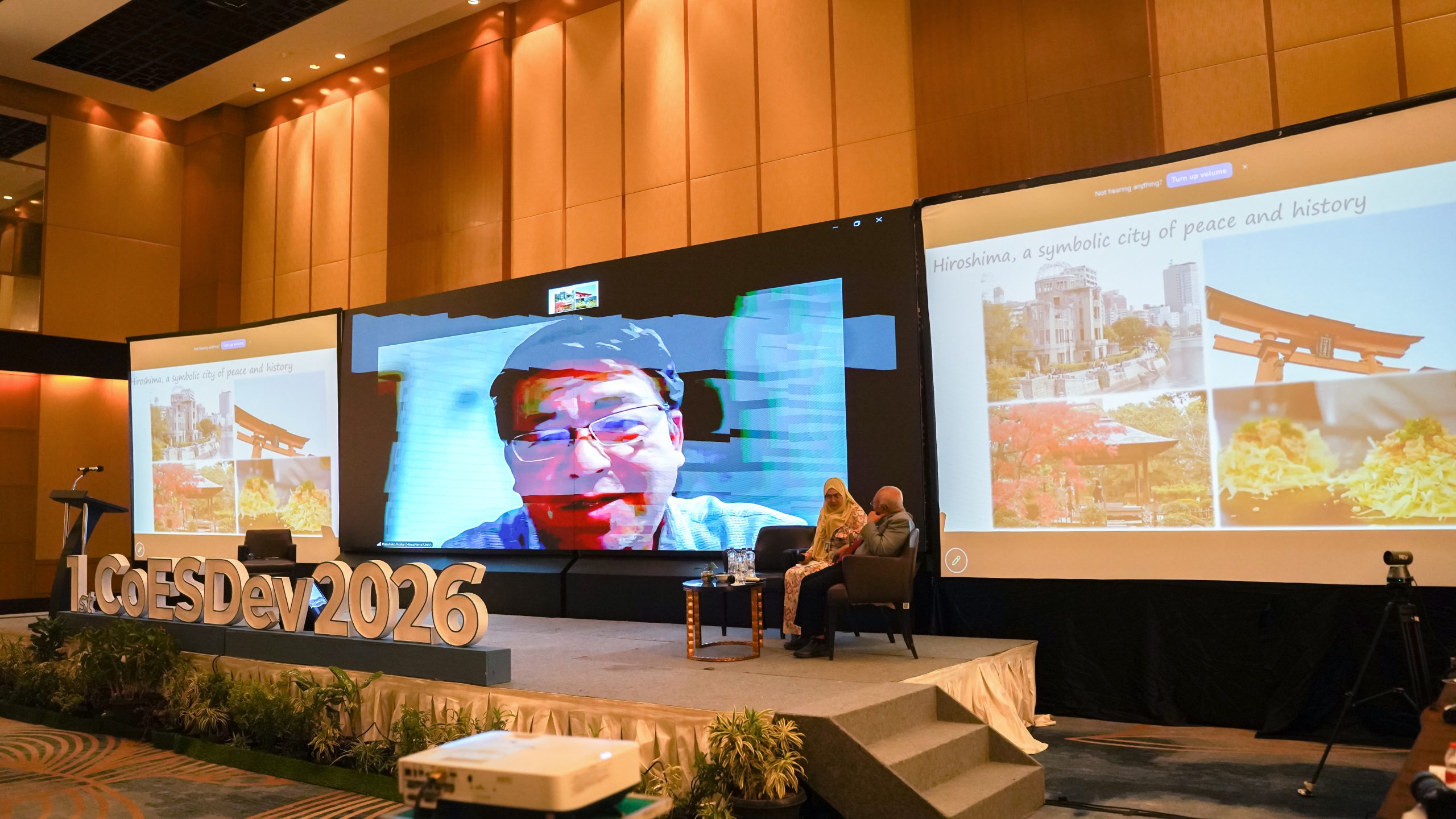
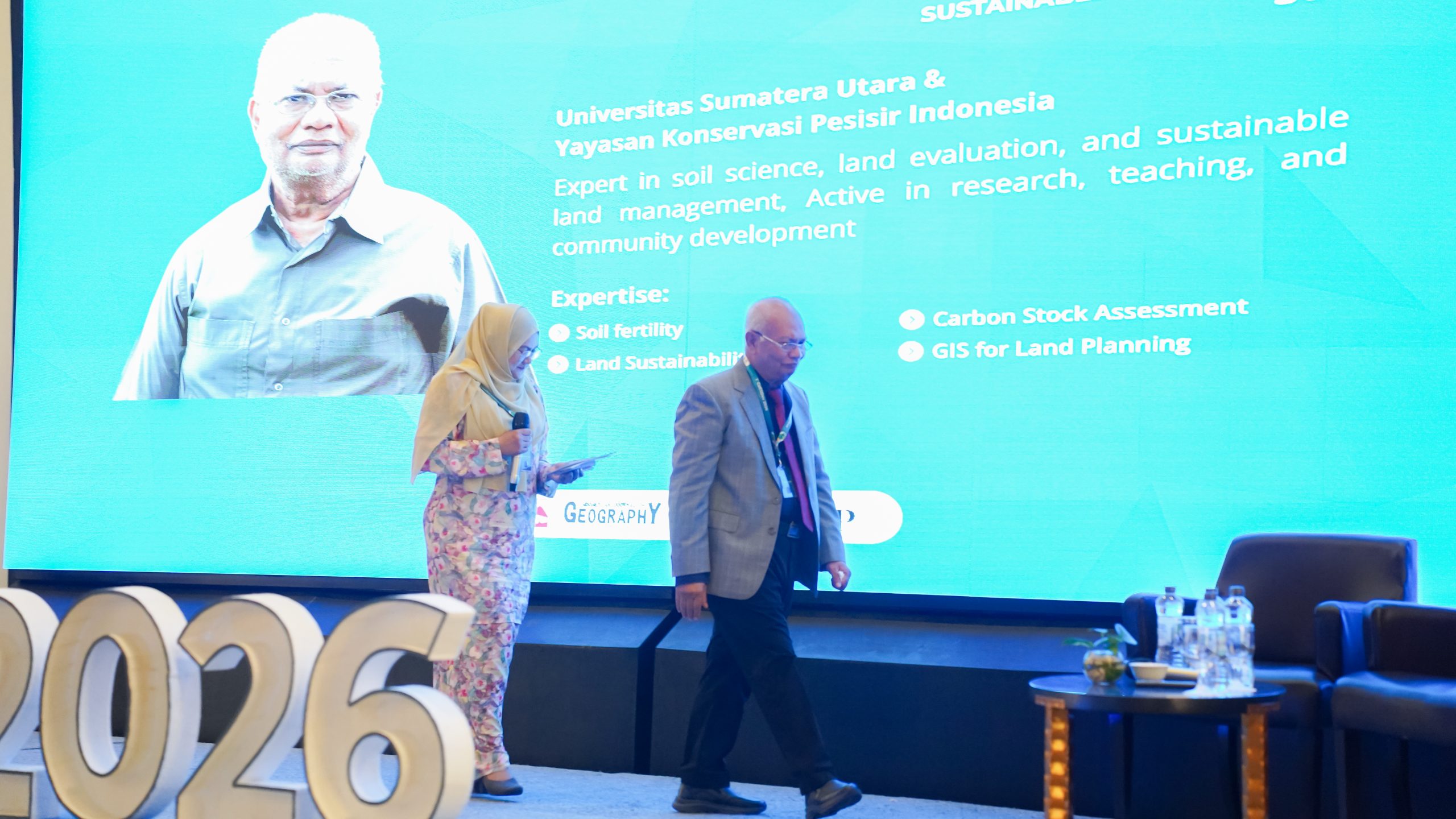
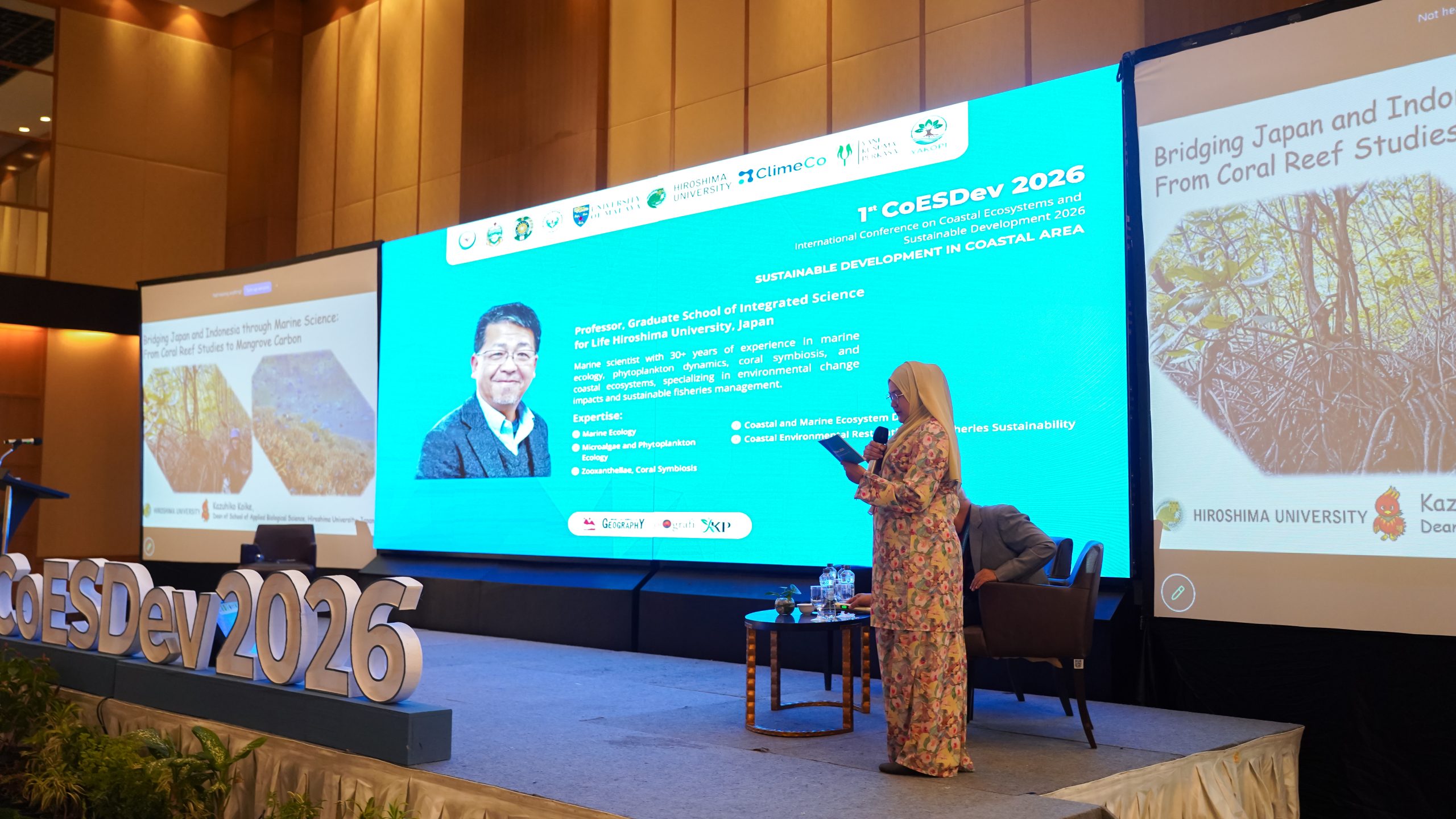
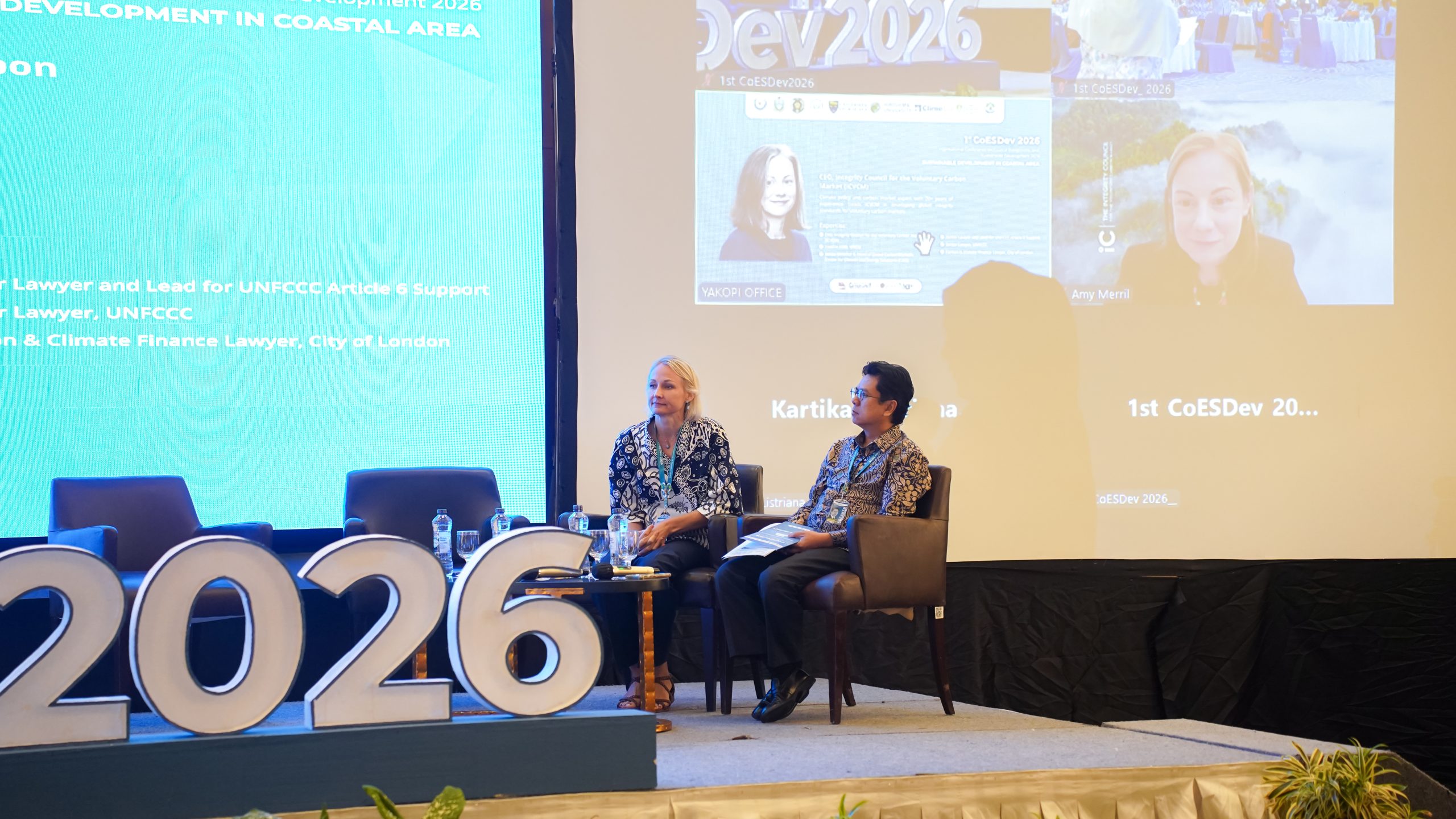
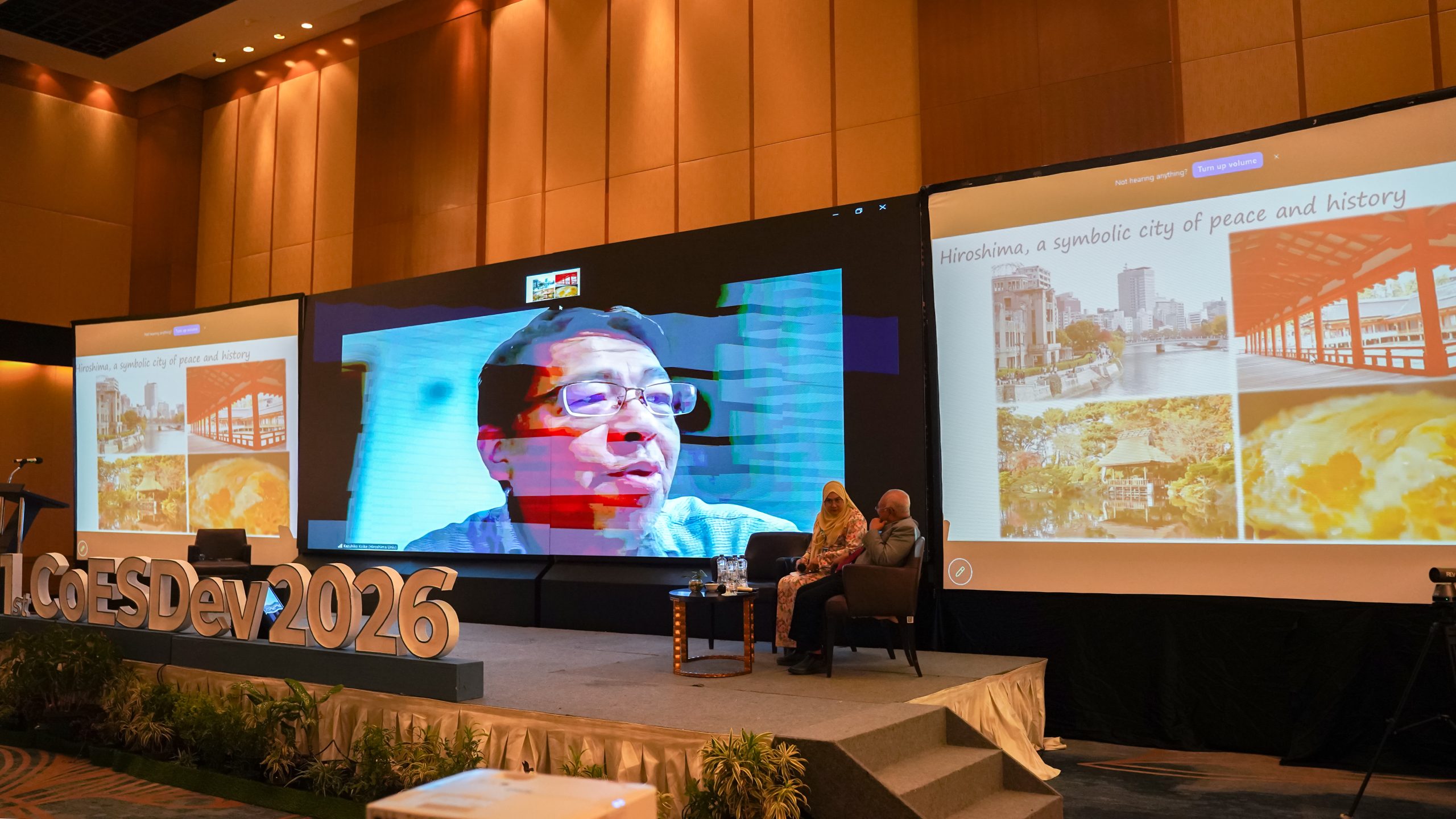
The conference featured an impressive lineup of distinguished speakers from government, academia, conservation organizations, and the carbon market sector. The speakers included Kartika Listriana, Director General of Marine Spatial Planning at the Ministry of Marine Affairs and Fisheries; Prof. Zulkifli Nasution, Professor of Soil Science and Land Evaluation at the University of North Sumatra; Meilinda Suriani Harefa, lecturer at Universitas Negeri Medan and Executive Director of the Indonesian Conservation Foundation; Prof. Kazuhiko Koike from Hiroshima University; Rosmadi Bin Fauzi from the University of Malaya and the Integrity Council for the Voluntary Carbon Market; as well as Amy Merrill and Anna Stablum from ClimeCo. Their diverse expertise and perspectives greatly enriched the discussions and highlighted the importance of cross-sector collaboration.
The successful implementation of the 1st CoESDev 2026 reflects the strong commitment, dedication, and enthusiasm of all participants, organizers, and stakeholders involved. It also underscores the growing global awareness of the urgent need to protect coastal ecosystems while promoting sustainable development.
Ultimately, this event not only strengthened existing partnerships but also opened new opportunities for future collaboration. It stands as a testament to the shared vision of advancing sustainable solutions, encouraging innovation, and building resilient ecosystems for generations to come.